Can You Design a Minimalist Nursery on a Budget?
Last Updated: October 30, 2026
Quick Summary
A minimalist nursery is a baby's room built around a small number of practical, versatile pieces, neutral colours and clear floor space rather than themed decor and bulk buying. Spend first on a safe new sleep space and a firm, well-fitted sleeping surface, then add paint, a dim night light and simple storage as your budget allows.
- Set your total budget before you open a single tab, then subtract safety-critical items first.
- Pick two tones only: one for walls, one for textiles, and stop there.
- Storage baskets, washable blankets and curtains are usually safe to buy second-hand.
- Buy any sleep space new unless you can verify its history and condition thoroughly.
- Stage the room: paint, sleep space, storage and night light before birth, then stop.
Table of Contents
- What a Minimalist Nursery Actually Needs
- Budget Nursery Ideas That Don't Look Cheap
- Nursery Colour Schemes That Stay Calm
- DIY Nursery Decorations Worth Making
- Small Nursery Organisation and Layout Planning
- Buying Second-Hand: What to Check Before You Pay
- A Staged Plan: Before Birth and After
- Choosing One Piece That Grows With the Room
- Frequently Asked Questions
What a Minimalist Nursery Actually Needs
Designing a minimalist nursery on a budget starts with a short, honest list. Most parents overbuy, then discover half of it never gets used.
At JÈYS & I, we hear from parents who want a beautiful room without filling it with clutter.
A minimalist nursery is a baby's room built around a small number of practical, versatile pieces, neutral colours and clear floor space, rather than themed decor and bulk buying.
Here is the short list that actually earns its place. If you are working out which newborn items are genuinely worth buying, this guide to newborn nursery essentials can help you decide.
The short list worth spending on
Spend where your baby spends time and where safety matters most. Everything else can wait.
- A safe place to sleep, bought new and checked against current safety guidance
- A firm, well-fitted sleeping surface that matches the sleep space exactly
- One comfortable chair for night feeds, ideally one you already own
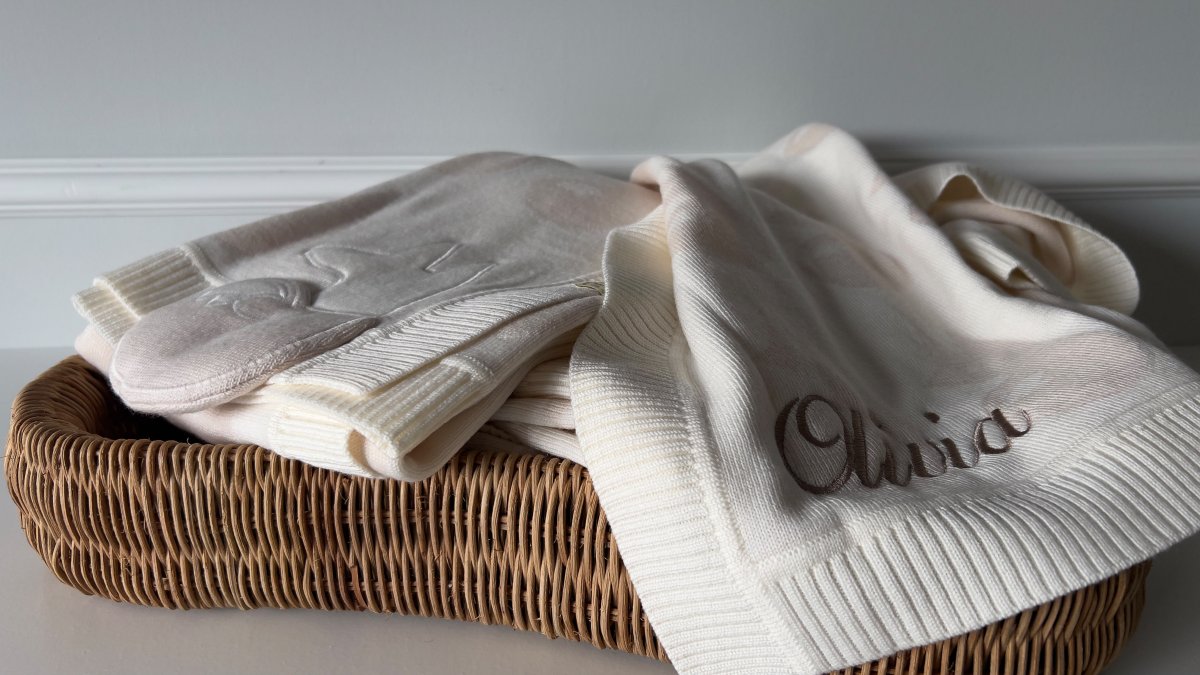
For bedding, quality matters more than quantity. This parents' guide to baby blankets explains what to look for when choosing good-quality bedding. A couple of good blankets will outlast a pile of cheap ones, and they wash better too.
What you can safely leave out
Most of what fills a "dream nursery" online is optional. Skip it with a clear conscience.
- Themed wallpaper and murals that date quickly
- Matching furniture sets bought all at once
- Decorative shelving that only holds ornaments
A common mistake is buying a full matching set in one weekend. It feels efficient, but it locks you into a look and a spend before you know how you will actually use the room.
Budget Nursery Ideas That Don't Look Cheap
A low-cost nursery looks expensive when the palette is tight, the floor is clear and every item has a purpose. Restraint reads as design. Clutter reads as chaos.
Start with the room you have, not the room you wish you had. Paint is often one of the more affordable ways to change how a room feels, and a single calm colour on every wall can do more than any accessory.
A realistic itemised budget with UK prices
Treat these as planning figures, not quotes. Prices vary by shop and season, so compare before you commit. The ranges below reflect what you might reasonably pay on the high street or online in the UK, from budget retailers through to mid-range home stores.
| Item | Budget approach | Typical spend |
|---|---|---|
| Paint and rollers | One neutral colour, own rollers | £25-£45 |
| Sleep space | New, basic model, no extras | £60-£150 |
| Storage baskets | High street or second-hand | £15-£40 |
| Curtains | Plain, blackout-lined | £20-£45 |
| Soft blanket | One good-quality piece | £30-£75 |
| Night light | Warm, dimmable | £10-£25 |
| Wall art | DIY or printed at home | £0-£20 |
| Rug | Washable, neutral | £20-£50 |
Deciding your total first, then working backwards, is the most useful way to keep a nursery within budget.
How to prioritise when the budget is tight
Not every line in that table deserves equal weight. Spend first on the sleep space and the sleeping surface, because safety and comfort matter most and a false saving there is no saving at all.
A useful rule is to separate spending into three pots: safety-critical, daily-use and decorative. Safety-critical items should be bought new and checked carefully. Daily-use items can often be found second-hand or reused. Decorative items are the last to buy and the easiest to make or delay.
Where the money actually goes
If you are working to a fixed total, protect the safety-critical spend and let the decorative items absorb the cuts. A room with a good sleep space, a calm wall colour and a warm light will feel finished long before the wall art arrives.
Nursery Colour Schemes That Stay Calm
Neutral colour schemes keep a room feeling open and let it grow with your child. For practical guidance on using neutral colour palettes in a nursery, see our dedicated article.
Pick two tones and stop there. One for walls, one for textiles. A third accent colour is where most rooms start to feel busy.
Watch out: testing paint on a small patch and viewing it in both daylight and lamplight matters.
DIY Nursery Decorations Worth Making
Handmade touches add warmth for very little money, and they are the details guests notice. If you are planning budget-friendly decor, these Jellycat alternatives for nursery decor offer affordable ideas. Keep them simple and washable.
- Framed prints from your own photos or free downloadable art
- A fabric garland made from leftover bedding offcuts
- Painted wooden letters in the room's accent tone
Keep anything small, loose or hanging low well away from the sleep space. Decor is for the walls and shelves, not the cot.
Small Nursery Organisation and Layout Planning
Small rooms work best when furniture sits against the walls and the centre stays clear. You need a safe sleep space, somewhere to change your baby and somewhere to store clothes.
Plan the layout on paper first. Mark the door swing, the window and every socket. Then place the sleep space away from radiators, blinds and draughty gaps.
- Use vertical space with wall-mounted shelves above head height
- Choose baskets over open boxes so clutter stays hidden
- Keep a changing station within arm's reach of storage
Rearranging before you buy is free. Most small nurseries improve simply by moving one item.
Buying Second-Hand: What to Check Before You Pay
Second-hand finds stretch a budget further than anything else, but safety comes first. The key is knowing which savings are sensible and which are false economies. Soft goods, storage and decorative pieces can often be bought used, with careful checks. Anything your baby sleeps in or on deserves far more scrutiny.
Safe savings versus unsafe compromises
A good rule is to ask what the item does. If it holds clothes, adds warmth or decorates a shelf, buying second-hand is usually fine. If it supports your baby's body during sleep, or is something your baby will lie on for hours, buy new unless you can verify its history and condition thoroughly.
Safe to buy second-hand:
- Storage baskets, boxes and fabric organisers
- Blankets and soft furnishings that can be washed hot
- Curtains, rugs and wall art
Buy new or verify very carefully:
- Any sleep space
- Any sleeping surface
- Anything with a padded or foam core that cannot be inspected
The checks that matter before you hand over money
Check these before handing over money:
- No cracks, splits or loose joints in any frame
- All fixings, screws and brackets present and tight
- No missing parts and no home repairs
That last point is easy to overlook. If an item has no label, you cannot check whether it has been subject to a safety recall or whether it meets current standards. Walk away from anything that cannot be identified.
Why an ill-fitting surface is a false saving
A second-hand sleep space with a surface that does not match exactly is the clearest example of a saving that costs more than it saves. Gaps at the edges create a risk that no discount justifies.
For sleep items, follow current safer sleep guidance from the Lullaby Trust. It sets out what a safe sleep space looks like, and it is worth reading before you buy anything used.
Where to look and what to pay
Charity shops, local selling pages, car boot sales and community noticeboards are the usual places to find good second-hand pieces. Ask sellers directly about age, storage conditions and whether the item has been in a smoke-free home. A polite question about why they are selling often tells you more than the listing does. For soft goods, check seams and wash labels before you commit, and factor in the cost of a hot wash or a professional clean if the item needs one.
A Staged Plan: Before Birth and After
Trying to finish a nursery before your baby arrives is where budgets and backs give out. Stage it instead.
Before birth:
- Paint the room and let it air fully
- Set up the sleep space and check it over
- Add storage and a night light
- Wash bedding and blankets
- Stop there
First three months: 6. Add a chair if night feeds are hard without one 7. Buy more blankets only as you need them 8. Note what you reach for daily and remove what you never touch
After six months: 9. Rearrange as your baby starts to move 10. Add wall art and soft touches once the room is working
Staging spreads the cost and stops you buying for a baby you have not met yet. It also keeps the room flexible as needs change.
Choosing One Piece That Grows With the Room
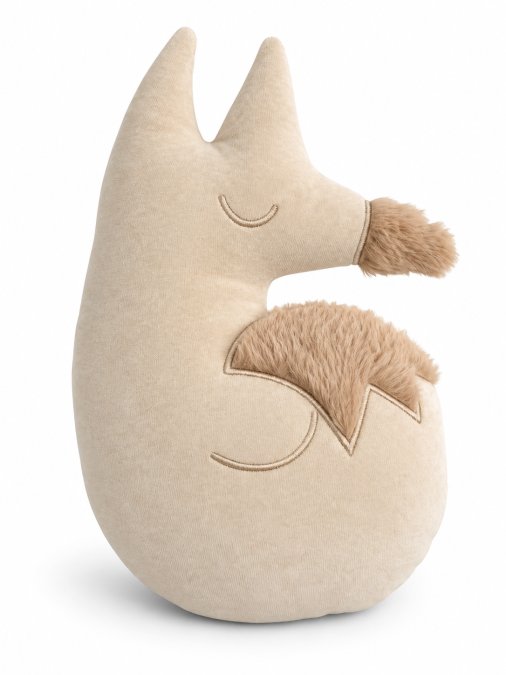
If you spend properly anywhere, spend on one piece that will still look right in five years. A good blanket or cushion moves from cot to chair to play corner without ever looking out of place.
A common mistake is buying lots of small themed items that date fast. One considered piece outlasts ten cheap ones and keeps the room calm as your child grows.
JÈYS & I designs pieces for exactly this role.
If you are ready to choose one lasting piece for the room, browse the Signature Collection to see how the tones work together.
Frequently Asked Questions
How do you design a minimalist nursery on a budget?
Start with the essentials and add nothing until you have lived in the room for a few weeks. Choose one calm colour scheme, keep walls plain, and put your money into a few well-made pieces you will use daily. Set a decorating budget before you shop, compare prices across a handful of retailers, and accept pre-loved items where condition is good. A minimalist nursery works because there is less to buy, not because you found cheaper versions of everything.
What do you actually need in a minimalist nursery?
A safe sleep space, somewhere to change your baby, a chair or seat for feeds, and storage for clothes and blankets. That is the working core. Add blackout blinds, a soft rug and a night light if the room needs them. Everything else, including wall art and themed accessories, is optional. If an item does not get used in a normal week, it is taking up space you could use for something that does.
What colours work well in a minimalist nursery?
Warm whites, soft sand, oatmeal, sage and pale grey are the easiest nursery colour schemes to live with, and they let you add colour later through blankets and accessories rather than repainting. Keep to two or three tones across walls, textiles and storage so the room reads as one space. A single deeper accent, such as a muted terracotta or forest green, adds interest without making a small room feel busy.
Can second-hand items work in a minimalist nursery?
Yes, and they often suit the style better than new flat-pack pieces. Check anything structural carefully: joints, fixings and stability, and look for the manufacturer's safety label where one should be present. Wash all textiles before use and avoid anything with a strong smell. For sleep and furniture safety, follow the manufacturer's instructions and current NHS safer sleep guidance rather than relying on what the seller tells you.
A minimalist nursery is not about spending less for its own sake. It is about spending once, on the right things, and leaving space for your baby to grow into the room. JÈYS & I makes thoughtfully designed pieces with sensory details and timeless neutral tones, built to sit calmly in a nursery and stay useful for years. Explore the collection and choose one piece that will grow with your child.