Jellycat Alternatives for Nursery Decor
Table of Contents
- Why Parents Choose Jellycat Alternatives for Nursery Decor
- What Makes a Soft Toy Work as Nursery Decor
- Styling Plush Toys for Nursery Shelves
- Jellycat Alternatives for Babies: What to Look For
- Soft Toy Gift Ideas for Newborns
- Common Mistakes When Choosing Nursery Soft Toys
- Creating a Thoughtful Nursery with Quality Soft Toys
- Frequently Asked Questions
Last Updated: October 13, 2026
Shop JÈYS & I nursery favourites: heirloom fox designs, gift-boxed, with free UK delivery.
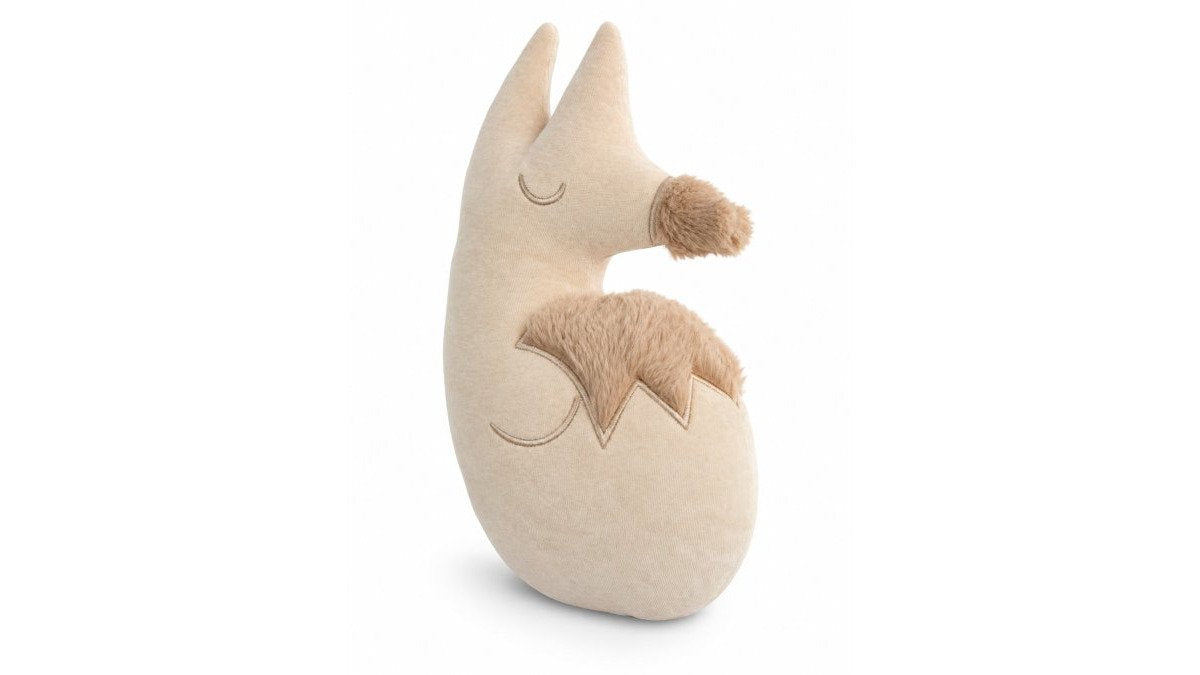
Badia Fox Plush CompanionSignature Fox Nursery PillowLuxury Baby Gift SetsWhy Parents Choose Jellycat Alternatives for Nursery Decor
Soft toys have become central to nursery design, and many parents are exploring Jellycat alternative nursery options beyond the well-known brand. The appeal is straightforward: a thoughtfully chosen plush toy adds warmth, texture, and personality to a baby's space without overwhelming it. At JÈYS & I, we understand that parents want pieces that feel intentional rather than generic, toys that work as both comfort objects and design elements.
The market for premium soft toys has expanded considerably. Parents now have genuine choices when it comes to quality, aesthetic, and value. Some prefer the softness of specific materials. Others prioritise design that complements a nursery's colour palette. A few seek toys with genuine sensory benefits. Understanding what matters most to your family helps narrow the field considerably.
This guide explores what makes a soft toy work as nursery decor, what to look for when choosing alternatives, and how to style them thoughtfully. The goal isn't to replace Jellycat, it's to help you find pieces that genuinely suit your needs and your space.
What Makes a Soft Toy Work as Nursery Decor
A soft toy becomes nursery decor when it's intentional. Throwing a random plush into a cot is one thing; selecting a piece that anchors the room's aesthetic is another.
The best nursery soft toys share several qualities. They're made from materials that feel genuinely pleasant, not synthetic or overly stiff. Their design is timeless rather than trendy, so they don't feel dated within months. Proportions matter too. A toy that's oversized can overwhelm a small nursery; one that's too tiny gets lost on a shelf. Colour is critical. Neutral tones, soft greys, warm creams, muted sage, layer beautifully into most nurseries. Bright primaries, while cheerful, can clash with calming spaces.
Sensory details elevate a soft toy beyond decoration. Toys with varied textures, ribbed panels, smooth sections, slightly nubbled surfaces, give babies something engaging to explore. Some include crinkle elements or gentle rattles that encourage discovery without being jarring. The best designs feel considered rather than gimmicky.
Durability matters if you're investing in a piece. Quality stitching and washable fabrics mean a toy can withstand countless cuddles. This is where material choice becomes practical, not just aesthetic.
Styling Plush Toys for Nursery Shelves
Arranging soft toys on a shelf requires the same thoughtfulness you'd apply to any interior design. Haphazard piles look cluttered; intentional groupings feel curated.
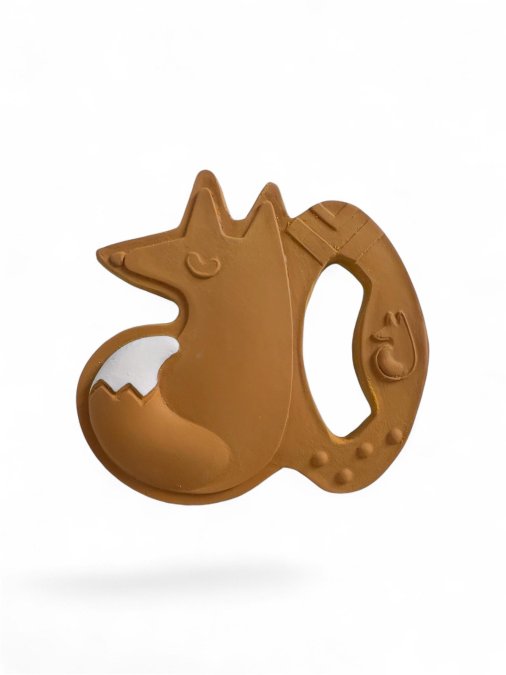
Start with odd numbers. Three or five toys grouped together feel more intentional than pairs or even numbers. Vary the heights, lean one toy slightly, stand another upright, position a third on its side. This creates visual rhythm and prevents a flat, uniform look.
Colour coordination anchors the display. If your nursery uses a palette of soft greys and warm whites, choose toys in those tones. A single accent colour, perhaps a muted mustard or soft terracotta, can work if it echoes elsewhere in the room. Avoid rainbow assortments unless that's genuinely your aesthetic.
Spacing is underrated. Crowded shelves feel chaotic. Leave breathing room between toys. This also makes it easier to remove and wash individual pieces without disturbing the entire arrangement.
Consider the shelf's backdrop. A toy against a plain white wall reads differently than toys against a textured wallpaper or painted accent wall. Light matters too. Shelves near a window show off texture and detail beautifully. Toys in dimly lit corners can disappear visually.
Rotate your display seasonally if you have more toys than shelf space. This keeps the nursery feeling fresh without requiring constant purchasing.
Jellycat Alternatives for Babies: What to Look For
When evaluating soft toy gift ideas for newborns and alternatives to established brands, several criteria help separate genuinely good options from mediocre ones.
Material quality is foundational. Soft toys should feel pleasant against skin. Look for descriptions that specify the fabric, organic cotton, merino wool blends, bamboo viscose, rather than vague "soft plush" claims. Feel the toy if possible before purchasing. Does it feel durable or flimsy? Does the fabric have character, or does it feel generic?
Design intentionality matters more than you'd expect. A toy designed with care shows in the details. Stitching should be neat and even. Proportions should feel balanced rather than awkward. The toy's expression (if it has one) should feel gentle rather than unsettling. Some toys feel timeless; others feel tied to a specific trend.
Washability is practical but essential. Babies drool, spit, and occasionally have accidents. A toy that requires dry-cleaning only or can't be washed will accumulate grime. Check care instructions before buying. Machine-washable toys are far more practical for everyday use.
Sensory elements should enhance rather than distract. A gentle crinkle sound is lovely; a loud squeaker can be startling. Varied textures encourage exploration; too many conflicting textures feel chaotic. The best sensory toys feel natural rather than over-engineered.
Size and proportion depend on your space and use case. A toy for a shelf can be larger. A toy meant for cuddles should be sized appropriately for a baby's grip.
Aesthetic coherence means the toy works with your nursery rather than against it. This doesn't mean everything must match perfectly, but a toy should complement rather than clash with your colour scheme and style.
Soft Toy Gift Ideas for Newborns
Soft toys make thoughtful newborn gifts when chosen well. The best options balance beauty with practicality.
A small, washable soft toy works beautifully for a newborn. Something in a neutral tone, cream, soft grey, or warm taupe, suits any nursery. Toys with gentle textures are more engaging than smooth ones. A toy sized to fit in a baby's hand adds longevity to the gift.
Consider the parents' aesthetic. If they've created a minimalist nursery, a single beautiful toy is more welcome than a collection. If they love layered, textured spaces, a slightly larger piece with sensory details might resonate. Observing their home style before choosing shows thoughtfulness.
Toys that serve multiple purposes are practical gifts. Something that works as both a comfort object and a visual element in the room offers more value than a purely decorative piece.
Presentation matters for gifts. A well-packaged soft toy feels premium and intentional. Simple, beautiful wrapping elevates even modestly priced pieces. Including a note about the toy's materials or care instructions adds a personal touch.
Quality over quantity is always the right approach with gifts for babies. One genuinely lovely soft toy is far better received than several mediocre ones. Parents appreciate pieces they'll actually want to keep and display.
Common Mistakes When Choosing Nursery Soft Toys
Understanding what doesn't work helps clarify what does.
Choosing purely on brand recognition is a common misstep. A well-known name doesn't guarantee a toy will suit your specific needs or aesthetic. Lesser-known makers often produce exceptional pieces that simply haven't achieved the same marketing reach.
Prioritising novelty over timelessness leads to pieces that feel dated quickly. A toy with a trendy character or design might seem appealing initially, but it can feel tired within a year or two. Neutral, well-designed toys age far more gracefully.
Ignoring material composition is another frequent error. A toy described only as "plush" without specifying the actual fabric could be synthetic, potentially less breathable, or less pleasant to touch. Specific material information helps you make informed choices.
Buying toys purely for sensory features without considering aesthetics creates visually chaotic nurseries. A toy with seventeen different textures and sounds might be engaging, but it can overwhelm a calm space. Restraint in sensory design often works better than maximalism.
Neglecting washability is a practical mistake. Soft toys accumulate dust and germs. If a toy can't be easily cleaned, it becomes a concern rather than a comfort object.
Choosing toys based solely on size without considering your space leads to pieces that don't fit your shelves properly. Measure your space and consider how a toy will actually sit before purchasing.
Creating a Thoughtful Nursery with Quality Soft Toys
A nursery that feels intentional rather than cluttered comes from thoughtful curation. Soft toys contribute to this when chosen and arranged with care.
Start with your colour palette. Decide on two or three primary tones, perhaps soft grey, cream, and warm white, and choose toys that work within that scheme. This creates cohesion without feeling restrictive.
Select toys that genuinely appeal to you, not just toys you think you should like. You'll be looking at these pieces regularly. If a toy doesn't spark something positive when you see it, it's not the right choice, regardless of its reputation.
Arrange toys intentionally rather than randomly. Group related pieces. Leave space between items. Step back and assess the visual balance. A well-styled shelf becomes a focal point rather than a storage area.
Consider how toys will be used. Will your baby interact with them directly, or are they primarily visual elements? Will you need to wash them frequently? These practical questions shape which toys are genuinely suitable.
Quality matters more than quantity. Three exceptional soft toys create a more beautiful and functional nursery than a dozen mediocre ones. Each piece should earn its place through either genuine beauty, sensory value, or emotional significance.
At JÈYS & I, we create soft toys and accessories designed to become part of a baby's everyday life. Our pieces emphasise thoughtful design, quality materials, and sensory discovery, the same principles that guide parents in building beautiful, functional nurseries. When selecting Jellycat alternative nursery pieces, these same values help you find toys that feel right for your family.
Building a nursery that feels both beautiful and genuinely functional requires pieces that work as hard as they look. The soft toys you choose set the tone for the space and often become the objects a child reaches for first. By focusing on material quality, thoughtful design, and intentional curation, you create a nursery that grows with your child and genuinely reflects your family's values. JÈYS & I offers soft toys and nursery accessories designed with this exact philosophy, pieces that combine aesthetic warmth with the comfort and sensory engagement babies actually benefit from. Explore our collection to discover toys that feel right for your space and your child.
Frequently Asked Questions
What are good alternatives to Jellycat soft toys?
Several premium brands offer beautifully designed plush toys suitable for nursery display. Look for toys made from thoughtfully selected materials like organic cotton or merino wool, with attention to design detail and texture. Consider brands that prioritise handcrafted quality and timeless aesthetics rather than mass-produced designs. The best alternatives share Jellycat's commitment to soft finishes and neutral colour palettes.
How do I choose a soft toy to match a nursery theme?
Start by identifying your nursery's colour palette and style, whether that's minimalist, nature-inspired or gently patterned. Select soft toys in complementary neutral tones like cream, grey or soft pastels. Consider the toy's shape and size; elongated animals work well on shelves, while rounder shapes suit corners or chairs. Think about texture variety too, mixing smooth cotton with woolly finishes creates visual and tactile interest without clashing with your overall design.
What makes a thoughtful soft toy gift for a new baby?
A meaningful soft toy gift combines beauty with practicality. Choose pieces made from gentle materials. Look for toys with sensory appeal, varied textures, interesting shapes and soft colours that engage a baby's developing senses. Handcrafted details and timeless design mean the toy can be treasured as a keepsake or passed to siblings. Presentation matters too; a beautifully packaged soft toy feels special and becomes a memorable gift rather than just another item.
Are there plush toys with a similar look to Jellycat?
Yes, several designers create plush toys with comparable aesthetic qualities, soft finishes, minimalist design and neutral colour schemes. Look for pieces emphasising natural materials, careful stitching and thoughtful proportions. Many premium baby brands now offer collections that rival Jellycat's design sensibility whilst offering different character styles or materials. The key is finding makers who share the same philosophy: that a soft toy should be both beautiful to display and genuinely comforting for a child.