Why Choose a Plush Companion for Your Baby
Last Updated: November 8, 2026
Quick Summary
A plush companion gives a baby a steady, familiar source of comfort. Babies explore it through touch and sight, and it can become part of everyday routines, from feeding and playtime to settling down for a rest.
- Choose a soft toy whose size suits your baby's small hands.
- Check seams, attached features and filling before every use.
- Never use a soft toy as a sleep aid for a young baby.
- Introduce the toy gradually, in short sessions during awake time.
- Re-inspect the toy after every wash before giving it back.
Table of Contents
- What a Plush Companion Offers Your Baby
- How a Soft Toy Supports Comfort and Emotional Development
- How to Choose a Baby Soft Toy That Suits Your Child
- Soft Toy Safety for Babies: What to Check
- Your Baby's First Soft Toy: When and How to Introduce It
- Keeping a Comfort Toy Clean and Well Kept
- Choosing a Thoughtful Plush Companion for Your Little One
- Frequently Asked Questions
What a Plush Companion Offers Your Baby
A plush companion can give a baby a steady source of comfort. Many parents choose a soft toy as one of their baby's first belongings, something to hold, look at and return to through the day. Think of it as a gentle, familiar presence that stays the same while everything else changes.
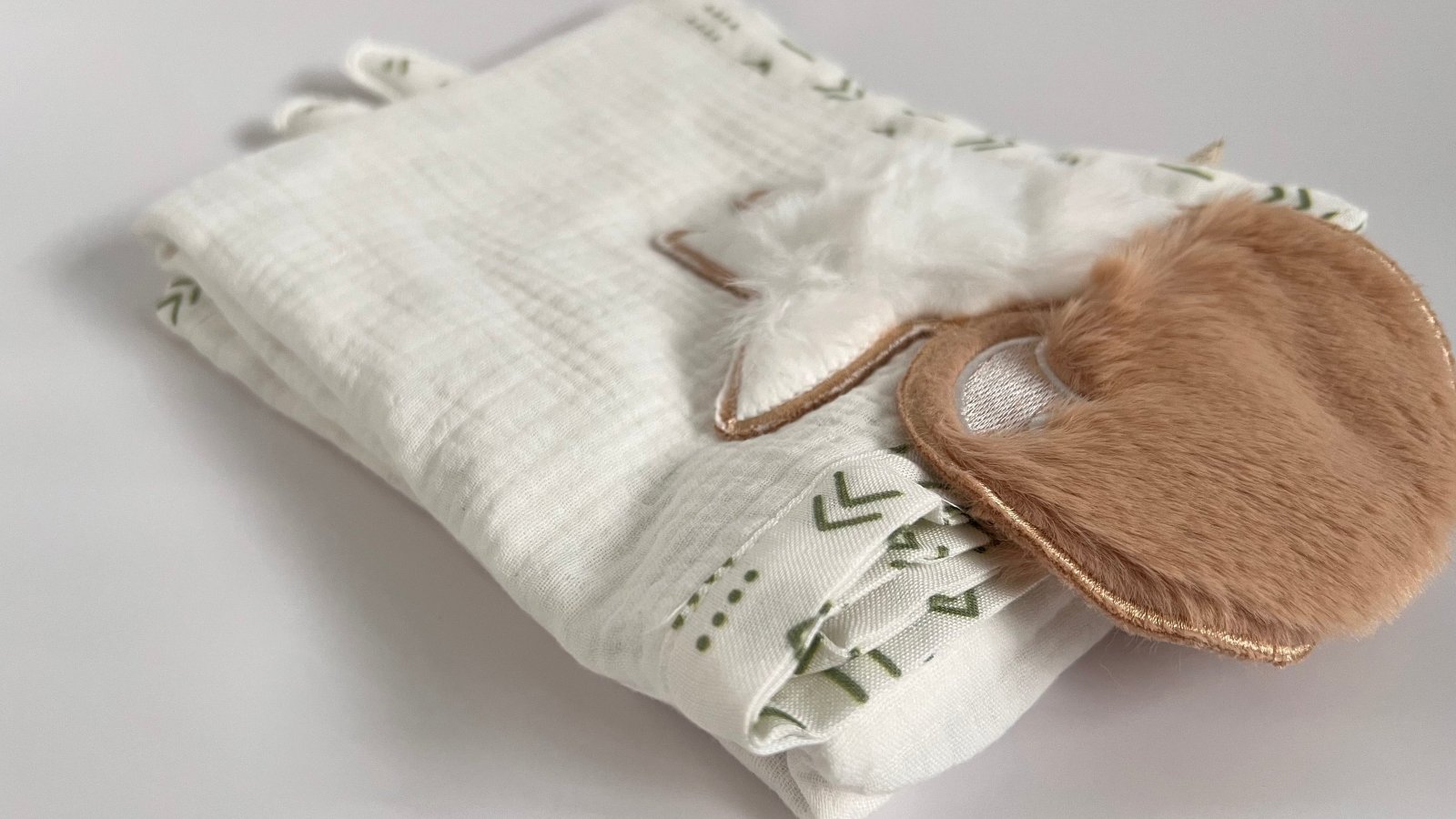
For many families, the appeal is simple: a soft toy is easy to love and easy to keep close. Babies explore the world through touch and sight, and a soft companion gives them something safe to focus on. Over time, it can become part of everyday routines, from feeding and playtime to settling down for a rest.
Short on time? Here is what a good plush companion usually offers:
- A soft, comforting texture to hold and explore
- A familiar face or shape that feels reassuring
- A gentle point of focus during quiet moments
- A keepsake that can be treasured as your child grows
How a Soft Toy Supports Comfort and Emotional Development
Comfort is one of the most valued roles a soft toy can play. Young children often feel calmer when they have a familiar object nearby, especially in new settings or during changes in routine. Many parents describe a soft toy as a small source of security during busy or unsettling days.
Soft toys also invite sensory play. Gentle textures, contrasting colours and simple patterns give babies something to look at, touch and explore.
As children grow, a comfort toy can take on a more imaginative role. They may pretend it is a friend, share a snack with it or tuck it in for a rest. Plenty of toddlers and young children find these moments of pretend play useful for expressing feelings.
Important note: a soft toy supports comfort and play, but it does not replace time, attention and care from the people around a baby.
How to Choose a Baby Soft Toy That Suits Your Child
Choosing the right soft toy starts with your child's age and stage. A toy that works well for a newborn may not suit an older baby who is starting to pull at things or put them in their mouth. Look for shapes and sizes that feel comfortable for small hands.
Softness matters too. Many parents prefer toys with smooth, gentle fabrics that feel pleasant against the skin. Simple designs with clear, calm colours can be easier for young babies to focus on than busy patterns.
A quick selection checklist:
- Is it the right size for your baby's hands?
- Does the fabric feel soft and comfortable to touch?
- Are the features secure and well attached?
- Does the design suit your child's current stage?
- Can it be washed or wiped clean easily?
Consider how your baby responds, too. Some babies take to a soft toy straight away, while others need a little time. There is no single right approach.
Checking Fabric, Fillings and Small Parts
Before you buy or offer a soft toy, take a closer look at how it is made. Check that seams are firmly stitched and that no part feels loose, frayed or easy to pull away. Eyes, noses or decorative pieces should be fixed securely.
Pay attention to the filling as well. A toy that feels lumpy or shifts oddly may have a problem inside. Avoid toys with loose bits that could come off during play, as these may pose a choking risk for babies who explore with their mouths.
Soft Toy Safety for Babies: What to Check
Safety is the part of choosing a plush companion that deserves the most attention, and it is also the part most buying guides skate over. The useful distinction is between supervised awake-time use and sleep use. Safer sleep guidance in the UK advises that babies sleep on a firm, flat surface with nothing soft in the sleep space (the NHS).
For supervised play, a short inspection before each use takes less than a minute and catches most problems early. Work through the same checks each time so they become habit:
- Seams and stitching. Run your fingers along every seam, including the base and any limbs. A seam that feels thin, puckered or open is a weak point.
- Attached features. Eyes, noses, ears, tags and decorative pieces should be firmly fixed. Give each a gentle tug; anything that shifts, creaks or feels loose should be treated as a fault.
- Fillings. Squeeze the toy from end to end. Lumpy patches, hard spots or a filling that has migrated to one end can indicate a split inner lining.
- Loose parts. Ribbons, strings, bells and removable accessories are a choking risk for babies who explore with their mouths. Remove them before play, or choose a design without them.
- Labels and age guidance. Check the care label and any age marking. A toy marked for older children is not suitable for a baby, even if it looks soft (Product safety).
- Cleanliness. Look for staining, damp patches or a musty smell, which can suggest the toy has stayed wet inside after washing.
A toy that passes a visual check can still change after a wash, so re-inspect it afterwards. Re-inspect after every wash before handing it back to your baby.
Replace rather than repair any toy with torn fabric, exposed filling, a broken fastening or a missing part. Retire the toy and, if your baby is attached to it, introduce a replacement gradually rather than removing the old one abruptly.
Finally, supervise play closely, particularly with babies who are learning to sit, roll or pull themselves up. A soft toy is not a prop for propping a baby into position, and it should never be placed over a baby's face or used to block their view.
Before each use, a quick check of the key points takes less than a minute and catches most problems early.
| Check | What to look for | Action |
|---|---|---|
| Seams and stitching | Thin, puckered or open seams | Treat as a weak point; replace if damaged |
| Attached features | Eyes, noses, ears or tags that shift or feel loose | Give a gentle tug; replace if loose |
| Fillings | Lumpy patches, hard spots or migrated filling | Possible split lining; retire the toy |
| Loose parts | Ribbons, strings, bells or removable accessories | Remove before play to avoid choking risk |
| Labels and age guidance | Care label and any age marking | Do not use a toy marked for older children |
| Cleanliness | Staining, damp patches or musty smell | Re-inspect after every wash |
Your Baby's First Soft Toy: When and How to Introduce It
There is no fixed age for a first soft toy, and the honest answer is that readiness varies more than buying guides suggest. What matters is the stage your baby is at.
A gradual introduction tends to work better than presenting the toy once and expecting instant attachment. A common pattern is:
- Let your baby see it first. Place the toy nearby during awake time and let your baby notice it in their own time. Sit close and talk about it.
- Offer it in short sessions. A few minutes at a time is plenty. Follow your baby's lead; if they look away or lose interest, put the toy aside and try again another day.
- Build it into a routine. Many families bring the toy out at the same point in the day, such as after a nap or during quiet play, so familiarity grows alongside the routine.
- Keep it close during supervised cuddle time. Having the toy nearby while you hold and talk to your baby helps the association form without relying on the toy for settling.
- Rotate rather than flood. Two or three familiar toys rotated over a week tend to hold attention better than a large collection, and rotation gives you a natural moment to inspect and wash each one.
Watch out: it is easy to read attachment into a baby's behaviour too early. A baby who reaches for a toy is exploring it, not necessarily forming a bond, and a baby who ignores it is not rejecting comfort. Both are normal.
It is equally important to say plainly that not every baby forms an attachment to a soft toy, and that is not a problem to solve. Some babies prefer a muslin, a blanket used only under supervision, a dummy, or simply your voice and presence. Others attach to a toy for a few months and then move on.
If your baby does form an attachment, a second identical toy kept aside can be a practical safeguard against loss or damage, provided both are inspected and washed on the same schedule. Introduce the spare quietly rather than presenting it as a new gift, so the swap feels seamless.
Keeping a Comfort Toy Clean and Well Kept
Regular cleaning keeps a soft toy fresh and hygienic. Check the care label first, as some toys can go in a washing machine on a gentle cycle, while others are best spot cleaned.
For a simple clean:
- Remove any loose accessories or ribbons.
- Place the toy in a mesh laundry bag if it is machine washable.
- Use a gentle, baby-safe detergent on a low-temperature, delicate cycle.
- Air dry away from direct heat, reshaping the toy as it dries.
Between washes, wipe the surface with a damp cloth. Check for wear, and retire the toy if it can no longer be cleaned safely.
Choosing a Thoughtful Plush Companion for Your Little One
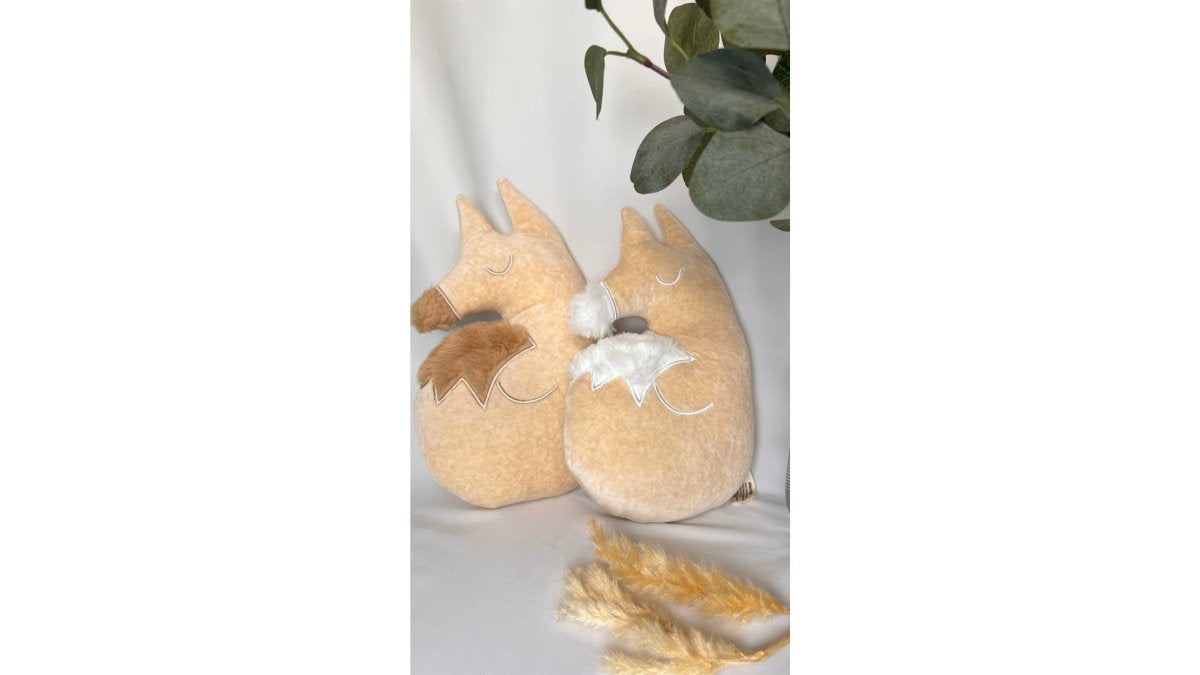
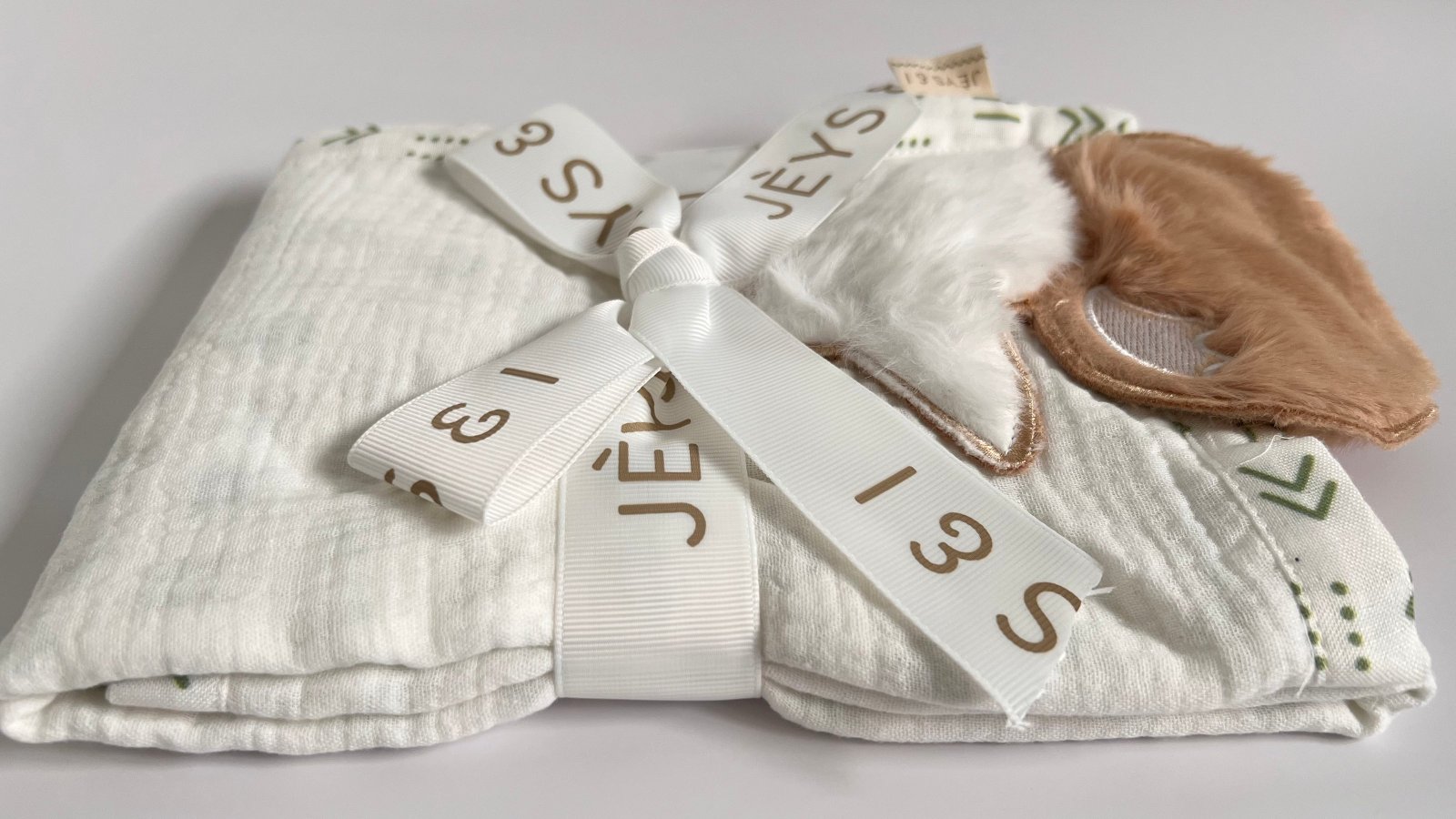
If you are looking for a soft toy with a gentle, considered design, the Signature Badia Fox Plush Companion is a good place to start. It suits parents who want a soft, neutral-toned companion for everyday comfort and play.
Gift-givers may prefer a curated set. For more ideas, see our guide to curated gift sets for newborns and our guide to newborn sensory development toys.

Ready to choose? View the Badia Fox Plush Companion to see its details, or explore the Signature Badia Fox Plush Companion to find out how it could fit into your baby's first weeks.
JÈYS & I creates premium baby accessories designed for comfort, practicality and thoughtful sensory detail. Take your time, choose what feels right for your child, and enjoy the small moments a soft companion brings.
Frequently Asked Questions
When can a baby have a plush toy?
Many parents introduce a soft toy once a baby is awake and can be supervised during play, often from around the early months. Sleep is a different matter: babies should not have soft toys or loose bedding in the cot. Whatever the age, check the toy is firmly made with no loose parts, and watch how your baby responds during play before leaving it near them. Your health visitor or GP can advise if you have specific questions about your child's development.
Why do babies become attached to soft toys?
Babies often form attachments to familiar objects because they offer predictability and comfort. A soft toy that is always in the same place, with the same texture and gentle weight, can feel reassuring during a routine change or a moment of unease. This attachment is a normal part of emotional development, and it usually grows gradually as your baby becomes more aware of the people and things around them.
How do you clean a baby's plush toy?
Check the care label first, as many baby soft toys can be hand washed or machine washed on a gentle cycle in a mesh bag. Use a mild, fragrance-free detergent and rinse thoroughly. Air dry fully before returning the toy to your baby, as damp fillings can harbour mould. Clean soft toys regularly, particularly after they have been dropped, mouthed or shared with other children.
What makes a plush companion a thoughtful gift for new parents?
A well-made plush companion is a gift that stays useful for years. Look for soft, natural-feeling materials, gentle colours and secure stitching, and consider a design that suits a neutral nursery. Many families appreciate a gift that supports sensory play and comfort rather than something novelty-led. A short note explaining why you chose it can make the gift feel more personal.