Sensory Friendly Baby Nursery Ideas: A 2026 Guide
Table of Contents
- What Makes a Nursery Sensory Friendly
- Calming Nursery Colour Schemes That Support Development
- Best Textures for Baby Development
- Lighting for a Sensory Friendly Space
- Creating Balance: Stimulation Without Overwhelm
- Sensory Elements That Grow With Your Baby
- Bringing It Together: A Sensory Friendly Nursery That Works
- Frequently Asked Questions
Last Updated: September 25, 2026
What Makes a Nursery Sensory Friendly
A sensory friendly baby nursery is a space designed to support your infant's developing senses without overwhelming them. Rather than bombarding a newborn with bright colours, harsh lighting, and competing textures, a sensory friendly approach offers gentle, intentional stimulation that encourages exploration whilst maintaining calm.
Babies experience the world entirely through their senses. Touch, sight, sound, and movement form the foundation of early brain development. A thoughtfully designed nursery acknowledges this reality by creating an environment where sensory input is measured, varied, and developmentally appropriate.
The distinction matters. A busy nursery filled with visual clutter and synthetic textures can leave babies overstimulated and fussy. A sensory friendly space, by contrast, invites discovery without demand. It offers textures to explore, soft lighting to rest under, and colours that soothe rather than excite.
Parents often struggle to balance two competing needs: creating a space that feels calm and nurturing, whilst also providing enough sensory interest to support development. The solution isn't minimalism or deprivation, it's intentionality. Every element serves a purpose.
Calming Nursery Colour Schemes That Support Development
Soft neutrals and earth tones
Colour choice shapes the entire mood of a nursery. Soft neutrals and earth tones, creams, warm greys, soft sand, pale greens, create a visual foundation that feels restful without being sterile.
These colours matter because they don't compete for attention. A baby's visual system is still developing; high contrast and saturated colours can feel jarring rather than engaging. Neutrals allow other sensory elements, textures, natural light, gentle sounds, to take centre stage.
Cream and sand tones are particularly effective. They reflect light softly, creating a sense of warmth without brightness. These shades also provide a backdrop where toys and textiles stand out naturally, allowing babies to focus on objects of interest rather than being distracted by wall colour.
Earth tones like soft sage, warm taupe, and pale ochre work equally well. They connect to natural environments and tend to feel grounding for both baby and parent. The key is choosing muted versions rather than saturated shades.
Avoiding overstimulation through colour choice
Overstimulation happens when sensory input exceeds what a baby can comfortably process. Bright primary colours, high-contrast patterns, and multiple competing hues all contribute to this effect.
The practical implication is straightforward: limit the colour palette. Aim for 2-3 main colours throughout the nursery. If your walls are cream, your soft furnishings might be sand and soft grey. This creates visual coherence without monotony.
Avoid fluorescent or very bright whites. These colours reflect light harshly and can feel clinical rather than comforting. Soft whites with warm undertones, ivory, off-white, linen, feel more restful.
Pattern is worth considering separately from colour. A single patterned textile or artwork can add visual interest without overwhelming the space. Multiple patterned items competing for attention tend to create visual noise rather than interest.
Best Textures for Baby Development
Natural fibres and tactile exploration
Texture is where sensory development becomes tangible. Babies learn through touch from their earliest days. Natural fibres, merino wool, organic cotton, bamboo, offer textures that are genuinely interesting to explore whilst remaining gentle against delicate skin.
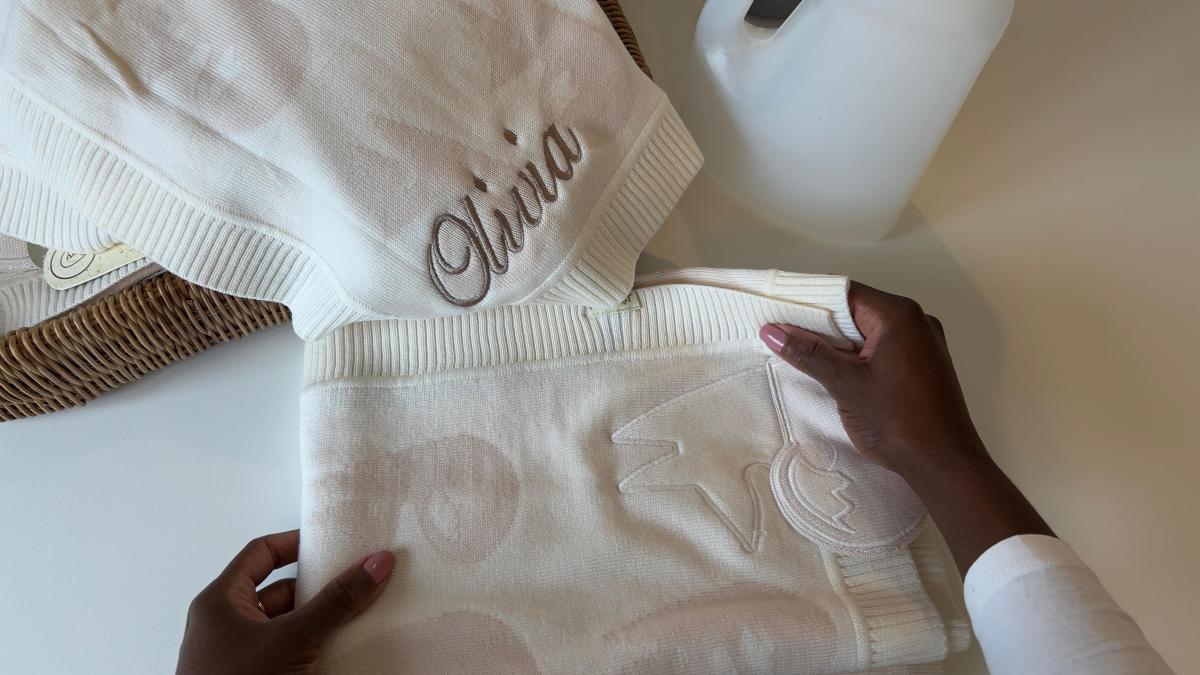
Merino wool is particularly valuable in a sensory friendly nursery. It's naturally soft, breathable, and responsive to touch. When a baby's hand encounters a merino wool blanket, they experience genuine tactile interest: the fibre has structure and character that synthetic materials simply cannot replicate.

Organic cotton offers a different texture, smooth, cool, and slightly crisp. Bamboo fabric feels silky and drapes beautifully. These variations matter. A nursery with multiple natural textures invites genuine sensory exploration rather than monotonous repetition.
The practical benefit extends beyond development. Natural fibres regulate temperature effectively, which matters for comfort.
Layering textures thoughtfully
Thoughtful layering means combining different textures in a way that feels intentional rather than cluttered. A merino wool blanket paired with a soft cotton muslin and a textured pillow creates varied tactile experience without visual chaos.
Lighting for a Sensory Friendly Space
Lighting profoundly influences how a nursery feels. Harsh overhead lighting creates an institutional atmosphere and can make it difficult for babies to settle. Soft, diffused lighting supports both development and calm.
Creating Balance: Stimulation Without Overwhelm
The central challenge in designing a sensory friendly nursery is maintaining balance. Babies need sensory input for development, yet too much input creates distress rather than learning.
Sensory Elements That Grow With Your Baby
A well-designed sensory friendly nursery evolves as your baby develops. Elements that work for a newborn may need adjustment by six months; what engages a one-year-old differs from what interests a three-month-old.
Bringing It Together: A Sensory Friendly Nursery That Works
Creating a sensory friendly baby nursery combines several elements into a cohesive whole. Start with your colour foundation, soft neutrals that feel warm and restful. Layer in natural textures through blankets, muslins, and soft furnishings. Ensure lighting is soft and adjustable. Keep the space uncluttered, with sensory elements thoughtfully placed rather than scattered throughout.
Frequently Asked Questions
What makes a nursery sensory friendly?
A sensory friendly baby nursery combines soft, natural textures, calming colours, gentle lighting and carefully chosen sensory elements that support exploration without overwhelming your baby. It focuses on quality materials like merino wool and organic cotton, minimal visual clutter, and thoughtful design that encourages your baby to engage safely with their environment. The goal is to create a space that feels calm and welcoming whilst offering gentle opportunities for discovery.
How do textures support baby development in a sensory friendly nursery?
Different textures encourage babies to explore through touch, which is crucial for early sensory development. Natural fibres like merino wool, bamboo and organic cotton provide varied tactile experiences that feel gentle against delicate skin. Textures with subtle details, such as crinkle elements or embroidered patterns, give babies something safe to discover with their hands and mouth. Layering textures thoughtfully means your baby encounters variety without sensory overload, supporting their natural curiosity and fine motor development.
Are there specific colours that are better for a sensory friendly nursery?
Soft, neutral colours like cream, sand, soft grey and pale green are ideal for sensory friendly nurseries. These calming tones help create a peaceful environment that supports restful sleep and reduces visual overstimulation. Avoid bright primary colours or busy patterns that can be overwhelming. Neutral palettes also allow any sensory elements you introduce, like textured blankets or soft toys, to be the focus of exploration rather than competing visual stimuli, making the space feel intentional and soothing.
How can I avoid overstimulating my baby in their sensory friendly nursery?
Less is more in a sensory friendly space. Choose a limited colour palette, keep surfaces relatively clear, and select a few high-quality sensory pieces rather than filling the room with many items. Ensure lighting is soft and adjustable so you can dim it for sleep. Introduce textures and sensory elements gradually, observing how your baby responds. Quality matters more than quantity, one beautifully made merino wool blanket with gentle crinkle detail offers more thoughtful sensory value than multiple busy toys, supporting calm exploration.
What role does lighting play in a sensory friendly nursery?
Lighting significantly impacts your baby's sensory experience and sleep patterns. Soft, warm lighting promotes relaxation, whilst harsh overhead lights can overstimulate. Consider blackout blinds for nap time and dimmable lights for evening routines. Natural daylight during the day supports healthy circadian rhythms. Avoid bright, flickering or coloured lights. Gentle, adjustable lighting allows you to create different moods, brighter for playtime, softer for rest, giving your baby's developing nervous system appropriate sensory input throughout the day.
Will sensory friendly nursery items like textured blankets actually make a difference for my baby?
Yes. Thoughtfully designed sensory pieces support your baby's natural development. Textured blankets and soft toys encourage safe tactile exploration, which helps develop fine motor skills and sensory awareness. Quality materials like merino wool offer natural temperature regulation and breathability, contributing to comfort. Whilst no single item is essential, a well-designed sensory friendly environment, combining soft textures, calming colours and gentle lighting, creates a nurturing space that supports both development and wellbeing. The difference lies in thoughtful design rather than quantity.
Can I create a sensory friendly nursery on a budget?
Absolutely. Focus on a few key pieces rather than many items. Soft, neutral bedding in natural fibres forms the foundation. One or two quality textured items, like a merino wool blanket with sensory details, can provide meaningful tactile exploration. Paint walls in soft, calming colours. Use natural light where possible and add one adjustable lamp. Handmade or secondhand items can work beautifully if they're clean and safe. The sensory friendly approach actually encourages quality over quantity, so thoughtful choices often cost less than filling a room with many items.
How do I know if my baby is enjoying the sensory elements in their nursery?
Watch for signs of engagement: your baby reaching for textures, exploring blankets with their hands or mouth, or seeming calm and content in the space. If your baby appears fussy or distressed, you may be offering too much stimulation, scale back colours, textures or activity. Every baby is different; what soothes one may overwhelm another. A sensory friendly nursery should feel peaceful to you as well. Trust your instincts and adjust gradually based on your baby's responses, keeping the environment simple and calm.