Is Organic Cotton Baby Bedding Worth the Extra Cost?
Table of Contents
- What Makes Organic Cotton Baby Bedding Different
- Organic Cotton Bedding vs Conventional Cotton: Key Differences
- Understanding GOTS-Certified Cotton Bedding
- Durability and Longevity: Does Quality Justify the Cost?
- A Baby Bedding Fabric Guide: Materials Beyond Cotton
- How to Wash Organic Cotton Bedding Properly
- Is the Investment Right for Your Family?
- Frequently Asked Questions
Last Updated: October 17, 2026
What Makes Organic Cotton Baby Bedding Different
Organic cotton baby bedding is grown without synthetic pesticides, herbicides, or genetically modified seeds. The difference goes beyond farming methods, it affects how the fabric feels against a baby's skin and how it behaves over time.
Conventional cotton uses pesticides during growth. These chemicals can leave residue in the fibres even after processing. Organic cotton avoids this entirely. The result is a softer, cleaner fabric from the start.
The production process also differs. Organic cotton relies on natural pest management and crop rotation. This takes more labour and planning, which is why organic cotton bedding costs more than conventional alternatives. But the trade-off matters for parents concerned about what touches their baby's delicate skin.
Knowing the genuine differences between organic and conventional cotton helps families make choices that align with their values and their baby's needs.
Organic Cotton Bedding vs Conventional Cotton: Key Differences
The comparison between organic cotton bedding and conventional cotton reveals practical distinctions beyond marketing claims.
Pesticide exposure: Conventional cotton accounts for roughly 16% of global insecticide use despite occupying only 2.5% of cultivated land. Organic cotton avoids synthetic chemicals entirely. For a baby's skin, this means fewer potential irritants.
Softness and breathability: Organic cotton fibres tend to be longer and stronger. This allows manufacturers to spin finer yarns without adding chemical softeners. Conventional cotton often requires additional processing to achieve the same feel.
Durability: Organic cotton bedding typically lasts longer through repeated washing. The natural fibres maintain their structure better when treated gently. Conventional cotton can become thin and pilled more quickly.
Environmental impact: Organic farming uses less water and produces no chemical runoff. Conventional cotton farming consumes significant water resources and can contaminate soil. Parents buying for environmental reasons should know this distinction.
Allergen potential: Babies with sensitive skin or eczema sometimes react to residual chemicals in conventional cotton. Organic cotton reduces this risk, though individual reactions vary.
Cost difference: Organic cotton bedding typically costs more upfront. The higher price reflects genuine production differences, not just marketing positioning.
The choice depends on your family's priorities. If skin sensitivity is a concern, organic cotton often performs better. If durability and longevity matter, organic cotton usually wins. If budget is the primary consideration, conventional cotton meets basic needs.
Understanding GOTS-Certified Cotton Bedding
GOTS stands for Global Organic Textile Standard. It's an independent certification that verifies both the organic farming practices and the processing methods used to make the final product.
A GOTS certificate means:
- The cotton was grown without synthetic pesticides or herbicides
- The processing used no harmful chemicals like heavy metals or formaldehyde
- Workers involved in production were treated fairly and safely
- Environmental standards were met throughout manufacturing
Not all organic cotton bedding carries GOTS certification. Some manufacturers use organic cotton but don't pursue formal certification. GOTS certification adds another layer of verification that appeals to parents who want documented proof of standards.
When shopping, look for the GOTS label on packaging or product descriptions. It provides reassurance that the bedding meets consistent, independently verified criteria. This matters because "organic" labelling can vary by region, but GOTS standards are internationally recognised.
The certification process costs manufacturers money, which contributes to the higher price of GOTS-certified bedding. Parents paying extra for GOTS certification are paying for verification, not just organic cotton.
Durability and Longevity: Does Quality Justify the Cost?
The longevity question cuts to the heart of whether organic cotton bedding represents good value. If a set lasts twice as long as conventional bedding, the per-use cost becomes more reasonable.
Organic cotton bedding typically withstands more washing cycles before showing wear. The longer fibres resist pilling and thinning. Conventional cotton can become soft initially but degrades faster with frequent laundering.
For families planning multiple children, durability becomes significant. A bedding set used for one baby, then passed to a sibling, then stored, then used again, accumulates value through years of use. Sets that maintain their integrity through this cycle justify their initial cost.
The washing method affects longevity for both types. Gentle cycles and low temperatures extend the life of any cotton bedding. Organic cotton's natural strength means it forgives slightly rougher handling better than conventional cotton.
Real-world experience shows that organic cotton bedding often looks and feels better after 50 washes than conventional bedding does after 20. The difference compounds over time.
However, durability depends partly on construction quality, not just fibre type. A poorly made organic cotton set may not outlast a well-made conventional one. The thread count, seam strength, and overall craftsmanship matter alongside the material itself.
For parents who value heirloom-quality items, pieces that can be passed down or reused, organic cotton bedding often delivers better long-term value despite higher initial cost.
A Baby Bedding Fabric Guide: Materials Beyond Cotton
Cotton dominates baby bedding for good reasons, but other fabrics offer distinct advantages.
Bamboo viscose: Bamboo fabric is silky and breathable. It's naturally hypoallergenic and regulates temperature well. Bamboo grows quickly without pesticides, making it sustainable. The downside is that processing bamboo into viscose requires chemical solvents, though closed-loop systems minimises environmental impact.
Merino wool: Wool bedding provides excellent temperature regulation and moisture-wicking. Merino wool specifically is fine enough for sensitive skin. It's naturally antimicrobial, reducing the need for frequent washing. Wool costs more and requires careful washing to prevent felting.
Linen: Linen is durable and becomes softer with washing. It breathes exceptionally well and resists dust mites. Linen production uses fewer chemicals than conventional cotton. The fabric wrinkles easily, which some parents prefer for aesthetic reasons and others find impractical.
Modal: Modal is a semi-synthetic fabric made from beech wood pulp. It's soft, breathable, and hypoallergenic. Modal production uses less water than cotton and the solvents are recycled in closed-loop systems. It's less durable than cotton or linen.
Polyester blends: Polyester adds durability and reduces wrinkling. Blended fabrics often cost less than pure natural fibres.
For most families, cotton remains the best balance of softness, durability, breathability, and cost. Organic cotton improves on conventional cotton without introducing the complexities of alternative fabrics. Blending cotton with other fibres can enhance specific properties, merino wool adds warmth regulation, for example, but pure organic cotton serves most babies well.
How to Wash Organic Cotton Bedding Properly
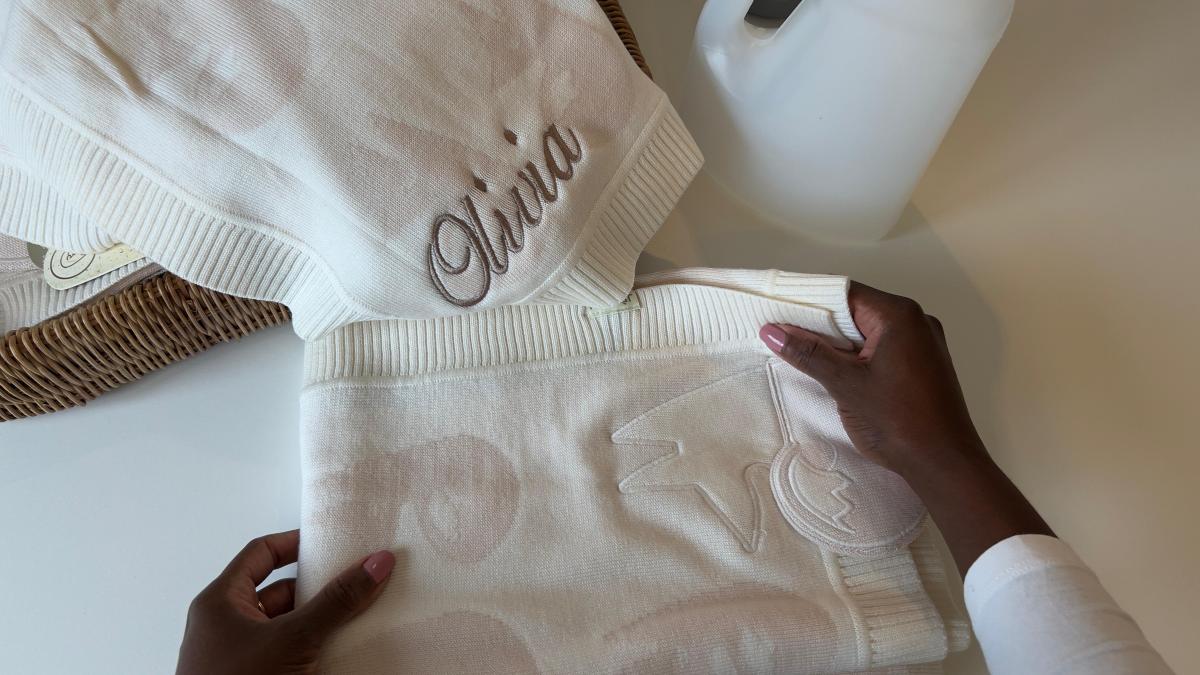
Proper washing extends the life of organic cotton bedding and maintains its softness. The fabric's natural strength allows for straightforward care without special chemicals.
Temperature matters: Wash in lukewarm water, around 30-40°C. Hot water weakens cotton fibres over time and can set stains. Cold water cleans adequately for most soiling.
Detergent choice: Use a gentle, fragrance-free detergent. Organic cotton doesn't require special products, regular mild detergent works well. Avoid fabric softeners, which coat the fibres and reduce breathability. Skip bleach entirely.
Washing frequency: Wash bedding every 1-2 weeks depending on use. Babies sweat and spit up, creating soil that benefits from regular washing. More frequent washing with gentle handling is better than occasional harsh washing.
Drying: Air-dry when possible. Sunlight naturally brightens cotton and kills bacteria. If using a tumble dryer, use low heat. High heat damages fibres and reduces lifespan. Remove bedding while slightly damp to minimise wrinkles.
Stain treatment: Treat stains promptly with cold water and mild soap. Soak rather than scrub. Organic cotton responds well to simple treatment without aggressive chemicals.
Ironing: Not necessary for bedding. If you prefer a crisp finish, use low heat and press gently.
Organic cotton bedding doesn't demand complicated care. Simple, gentle washing preserves the fabric's integrity and keeps it soft for years. This straightforward maintenance is one reason families find the investment worthwhile.
Is the Investment Right for Your Family?
The decision to buy organic cotton baby bedding depends on your specific circumstances and values.
Choose organic cotton if:
- Your baby has sensitive skin or eczema-prone skin
- You plan to use the bedding for multiple children
- You want to minimise chemical exposure
- You value durability and longevity over initial cost
- You're buying a gift and want something that lasts
- Environmental impact influences your purchasing decisions
Conventional cotton works well if:
- Budget is your primary constraint
- Your baby's skin tolerates standard fabrics without irritation
- You prefer to replace bedding regularly rather than invest in heirloom pieces
- You're uncertain whether your baby will react to organic cotton
- You want to test different options before committing to premium bedding
The "worth it" question isn't purely financial. A set of organic cotton bedding that lasts through two or three children, maintains its softness, and never irritates sensitive skin delivers value beyond the initial price tag. A conventional cotton set that serves one baby adequately costs less upfront but may not provide the same longevity.
Consider also your broader purchasing philosophy. If you buy thoughtfully and keep things long-term, organic cotton aligns with that approach. If you prefer flexibility and lower commitment, conventional cotton allows for easier experimentation.
Many families use a hybrid approach, organic cotton for everyday bedding that gets heavy use, conventional cotton for backup sets. This balances cost with the benefits of organic cotton where it matters most.
The investment in organic cotton baby bedding makes sense for parents who value quality, durability, and gentle materials. It's a genuine choice, not a marketing necessity. Your family's needs and priorities should guide the decision.
Frequently Asked Questions
What is the difference between organic and conventional cotton bedding?
Organic cotton bedding is grown without synthetic pesticides, herbicides or fertilisers, and processed without harsh chemicals. Conventional cotton uses these inputs during cultivation and manufacturing. The result is softer fibres with fewer chemical residues. For babies with sensitive skin, organic cotton bedding often feels gentler and causes fewer irritation reactions. Both are durable, but organic cotton typically maintains softness through more wash cycles.
How can you check whether cotton bedding is certified organic?
Look for GOTS (Global Organic Textile Standard) certification, the most rigorous standard for organic textiles. GOTS-certified bedding has been independently verified from seed to finished product. Check product labels, hang tags or the retailer's website for the GOTS logo and certification number. Be cautious of vague terms like 'made with organic materials', true certification is specific and traceable. Reputable brands display their certification details openly.
Does organic cotton bedding need special care?
Organic cotton bedding doesn't require special care, but gentle handling extends its life. Wash in cool water (30°C) with mild detergent, avoid fabric softener and high heat drying. Skip bleach and harsh chemicals. These practices preserve softness and prevent pilling. Regular washing actually improves organic cotton's feel over time, making it softer with age, a key reason families see value in the initial investment when bedding lasts through multiple children.
Is organic cotton baby bedding worth the extra cost?
The answer depends on your priorities. If your baby has sensitive skin or eczema, organic cotton bedding often reduces irritation, making it worthwhile. If durability matters, you're planning to use pieces for multiple children or keep them for years, quality organic cotton holds softness and shape better than conventional cotton, offsetting higher upfront cost. For occasional use or shorter timeframes, conventional cotton may be sufficient. Consider your family's needs, not just price.
For parents seeking bedding that combines thoughtful materials with timeless design, organic cotton offers real advantages. JÈYS & I creates organic cotton bedding designed with both comfort and longevity in mind, recognising that parents want pieces that genuinely serve their families well. Explore options that match your values and your baby's needs, and remember that the best choice is the one that fits your family's situation.