Are Organic Baby Essentials Worth It? An Honest Guide
Table of Contents
- Are Organic Baby Essentials Worth It? The Honest Answer
- Organic Versus Conventional Baby Products: What Actually Differs
- Organic Baby Product Certifications You Can Actually Check
- Non-Toxic Baby Essentials: Reading Beyond the Word Organic
- How to Wash Organic Baby Accessories So They Last
- Where the Money Goes: A Cost and Longevity Comparison
- Choosing Well: What Matters Most and What to Ignore
- Conclusion
- Frequently Asked Questions
Last Updated: 20 October 2026
Are Organic Baby Essentials Worth It? The Honest Answer
Are organic baby essentials worth it? For most families, yes, but not for the reasons the marketing suggests. The real value sits in fewer harsh residues against a baby's skin, better-made pieces that survive repeated washing, and materials that feel genuinely softer. This guide from JÈYS & I separates the claims that hold up from the ones that do not.
The honest version is less dramatic than the packaging. Organic certification is a farming and processing standard, not a medical one. It tells you how fibre was grown and handled. It does not promise a cure for eczema, and any brand implying otherwise is overselling. What it does offer is a shorter list of unknowns next to a newborn's skin, which matters most in the first year when contact is constant.
Below, the differences that actually show up in daily use, the certifications worth checking, and where premium prices are justified.
Organic Versus Conventional Baby Products: What Actually Differs
The core difference is how the fibre is grown and finished, not how it performs in the nursery. Conventional cotton farming relies on a wider set of permitted pesticides and processing chemicals. Organic standards restrict which substances can be used across growing, processing and dyeing.
In practice, that means three things for a parent:
- Residue profile: organic fibre carries fewer chemical residues from growing and finishing.
- Feel: organic cotton and merino often feel softer because finishing is gentler.
- Durability: this depends on construction, not the organic label. A well-made conventional blanket can outlast a poorly made organic one.
A common mistake is assuming "organic" means "hypoallergenic". It does not. If a baby has a diagnosed skin condition, a paediatrician or health visitor is the right source of advice, not a label.
Organic Baby Product Certifications You Can Actually Check
Certifications are the only part of the organic claim a parent can verify independently, so they deserve more attention than the front of the packet.
Labels That Mean Something
These are third-party audited standards with public databases you can search:
- GOTS (Global Organic Textile Standard): covers the full supply chain from fibre to finished textile, including chemical restrictions and social criteria.
- OEKO-TEX Standard 100: tests finished articles for harmful substances. It is not an organic farming standard, but it is a useful safety check.
- Soil Association: the main organic certifier in the UK, with its own textile standards.
- EU Organic logo: applies to agricultural ingredients; check whether it covers the textile or just a component.
The Global Organic Textile Standard database lets you look up a certificate number directly. If a brand cannot give you one, treat the claim as marketing.
Labels That Mean Very Little
- "Natural" has no legal definition for textiles.
- "Eco-friendly" and "green" are unregulated.
- "Chemical-free" is impossible; water is a chemical.
- A leaf icon with no certifier name behind it.
Non-Toxic Baby Essentials: Reading Beyond the Word Organic
Non-toxic baby essentials are items made without harmful substances in the materials a baby touches, chews or sleeps against. Organic is one route to that. It is not the only one, and it is not a guarantee.
Read the material list, not the marketing copy. For anything a baby mouth comes into contact with, the material matters more than the organic badge. Natural rubber, for example, is a single-material option that avoids the seams and trapped moisture found in some plastic and silicone designs.
For items that go near a baby's mouth, check for an EN71-3 reference. This is the UK and European safety standard for migration of certain elements from toy materials. A product listing that names it is giving you something concrete to check.
How to Wash Organic Baby Accessories So They Last
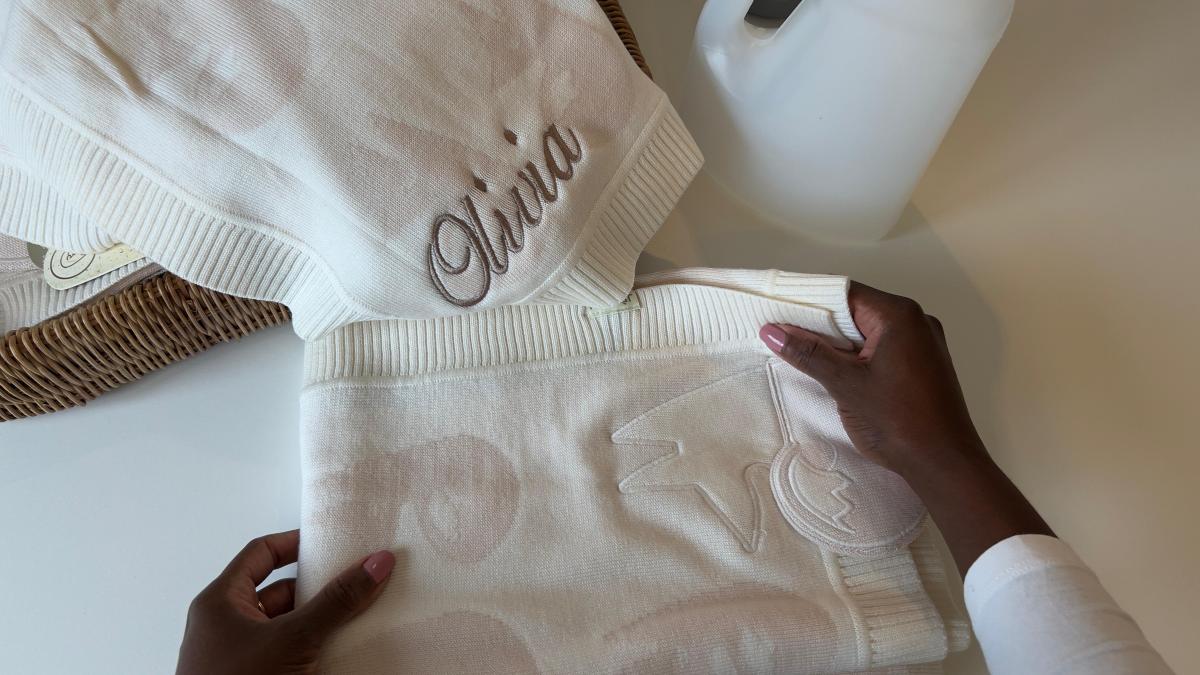
Wash less aggressively than you think you need to. Organic fibres, particularly wool, degrade faster from heat and harsh detergent than from dirt. A gentle routine is what keeps a premium piece worth its price.
A workable routine for most organic accessories:
- Check the care label first. Wool and cotton need different treatment.
- Use a gentle, non-biological detergent with no added bleach or optical brighteners.
- Wash cool, around 30°C, and skip the fabric softener, which coats fibres.
- Air dry flat away from direct heat; radiators shrink wool.
- Wash only when needed. Airing a blanket between uses is often enough.
For merino wool specifically, hand washing in cool water and drying flat preserves the loft that gives it warmth. That single habit extends the life of a wool piece considerably.

Where the Money Goes: A Cost and Longevity Comparison
Premium pricing is easier to accept once you see what it pays for. The gap between budget and premium baby accessories is rarely about the word "organic" alone.
| Factor | Budget essentials | Premium organic essentials |
|---|---|---|
| Fibre | Conventional cotton blends | Certified organic cotton, merino, bamboo |
| Construction | Machine-finished, lighter weight | Denser knit, double-layer, hand-finished detail |
| Certification | Rarely stated | GOTS, OEKO-TEX, EN71-3 referenced |
| Expected lifespan | One child, often less | Designed to pass between siblings |
| Washing tolerance | Degrades with heat | Holds shape with gentle care |
The calculation that matters is cost per use, not sticker price. An £89 blanket used daily for two years and then passed to a second child works out cheaper per use than three budget blankets that pill and thin. That is the honest case for spending more, and it only holds if the piece is genuinely well made.
JÈYS & I's Signature Jacquard Merino Wool Blanket is an example of where this logic applies: OEKO-TEX Standard 100 certified, double-layer jacquard in extrafine merino, with a hand-finished fox motif. It is a piece designed for longevity.
Choosing Well: What Matters Most and What to Ignore
Prioritise certifications, construction and material honesty. Ignore unregulated adjectives. That is the whole framework, and it filters out most of the noise in this category.
What matters most:
- A named, checkable certification on the parts a baby touches.
- Dense, well-finished construction over a soft hand-feel alone.
- Clear material lists, including trims and fillings.
- Care instructions that match how you actually live.
What to ignore:
- "Natural" and "eco" as standalone claims.
- Fear-based marketing about conventional cotton.
- Claims that organic prevents or treats skin conditions.
Conclusion
The honest answer to whether organic baby essentials are worth it is that the label alone is not the point. Certification, construction and care decide whether a piece earns its price. For parents who want fewer unknowns against a baby's skin and pieces that last, the case is solid. For anyone buying on the word "organic" alone, it is not.
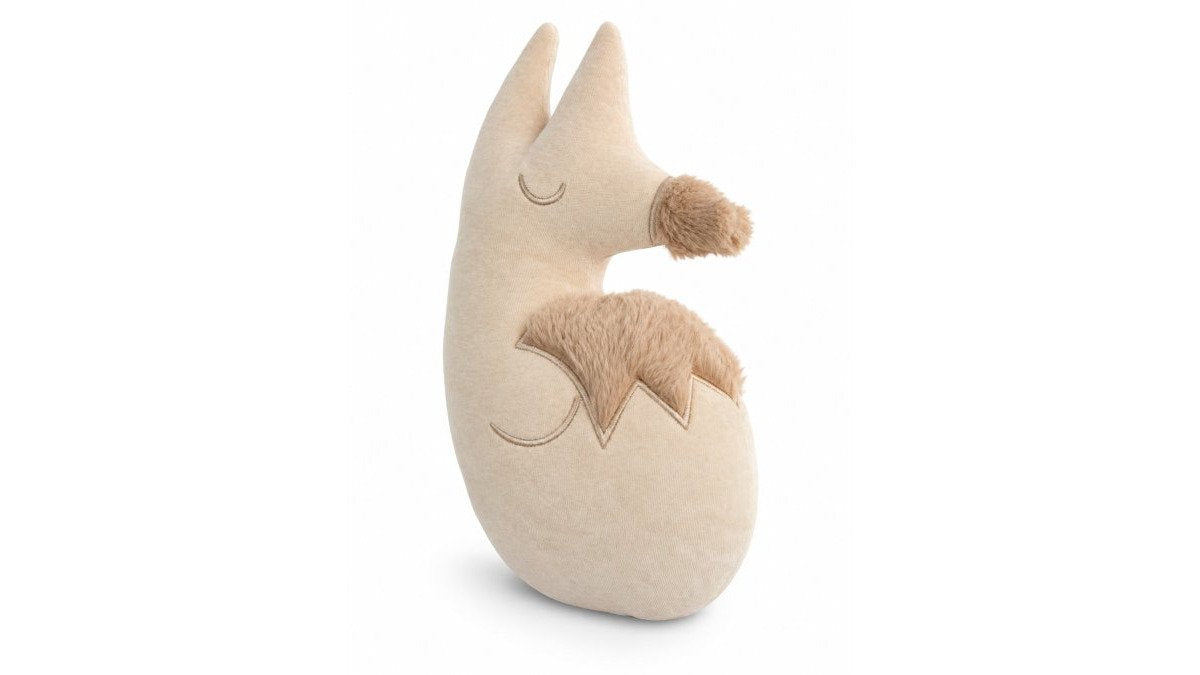
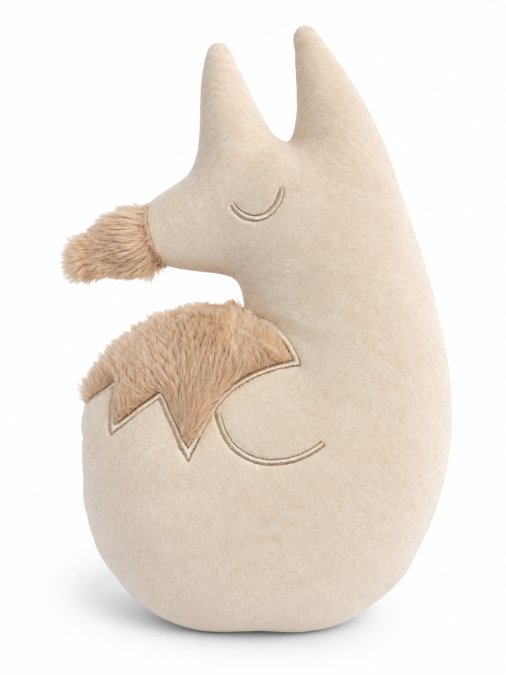
JÈYS & I builds around that distinction: thoughtfully selected materials including organic cotton, merino wool and bamboo, handcrafted detail, and sensory touches designed into everyday pieces. The Signature Fox Teether in natural rubber and the merino blanket above are both made to be used hard and kept long. Start with one well-chosen piece and judge the difference for yourself.

Frequently Asked Questions
Are organic baby essentials worth the extra spend?
It depends on which item you are buying. For anything that sits against a baby's skin for long stretches, such as a blanket or a teether, paying more for certified organic and low-chemical materials tends to be money well spent. For items used briefly or washed constantly, the practical difference is smaller. Judge each purchase on certification, construction and how often it will be used rather than on the word organic alone.
How can you check whether a baby product is genuinely certified organic?
Look for a certification body's name and licence number on the label or product page, then verify it on that body's own register. Recognised schemes include GOTS for textiles and OEKO-TEX Standard 100 for harmful substance testing. A supplier claiming organic status should also be able to show its certificate. If a product says organic but names no certifier, treat the claim as marketing rather than proof.
Do organic baby accessories need special washing?
They need gentler washing, not specialist products. Use a mild, fragrance-free detergent, keep the machine at 30°C or lower, and skip fabric softener because it coats fibres and reduces absorbency. Wash merino wool on a wool cycle and dry it flat away from direct heat. Always check the care label first, since natural rubber and wool each have their own limits.
Which factors matter most when choosing organic baby essentials?
Start with certification you can verify, then look at construction: sealed seams, secure stitching and materials listed in full. Consider how the item will be cleaned and whether it suits your baby's stage. Finally, weigh cost per use rather than sticker price. A well-made blanket or teether that survives daily handling and repeated washing usually works out better value than a cheaper item replaced twice.