Cleaning Organic Baby Accessories: A Gentle, Step-by-Step Method
Last Updated: 12 November 2026
Quick Summary
To clean organic baby accessories gently, read the care label first, then hand wash in lukewarm water with a fragrance-free, mild detergent. Rinse until the water runs clear, and let every piece dry completely before storing it. This simple routine helps keep a clean organic baby comfortable and keeps the materials soft.
- Read the care label first, since it shows the correct wash method and temperature.
- Use lukewarm water and a mild, fragrance-free detergent made for delicate fabrics.
- Never wring wool or hang it wet, as this stretches the fibres out of shape.
- Never soak wood, and dry it immediately after wiping with a damp cloth.
- Dry all items fully before storage, since damp pieces can develop mildew within days.
Table of Contents
- Why Gentle Cleaning Matters for Organic Baby Accessories
- What You'll Need: Gentle Products and Tools
- How to Wash Baby Accessories by Material
- How to Remove Stains from Baby Accessories Naturally
- How Often to Wash Baby Accessories
- Drying, Rinsing and Preventing Mould
- Caring for Your Pieces So They Last Through Every Baby
- Frequently Asked Questions
Why Gentle Cleaning Matters for Organic Baby Accessories
Babies explore the world with their mouths and their skin. That makes the way you clean their accessories matter almost as much as the accessories themselves, especially when you are caring for a clean organic baby.
Gentle cleaning starts with simple choices. Choose fragrance-free products, rinse thoroughly, and let items dry completely. Many parents find that a steady, careful routine is easier to keep than a complicated one.
Organic accessories deserve the same care as the materials they are made from. Natural fibres such as cotton and merino wool respond well to mild washing and can lose softness when treated roughly, so keeping a clean organic baby comfortable starts with reading the care label first, which is always the sensible starting point.
What You'll Need: Gentle Products and Tools
Most accessories need very little. A gentle, fragrance-free detergent, a basin or sink, lukewarm water, and a clean towel cover the basics.
- A mild, fragrance-free detergent made for delicate fabrics
- A clean basin for hand washing
- Lukewarm water, never hot
- Soft, clean cloths for spot cleaning
- A drying rack or clean flat surface
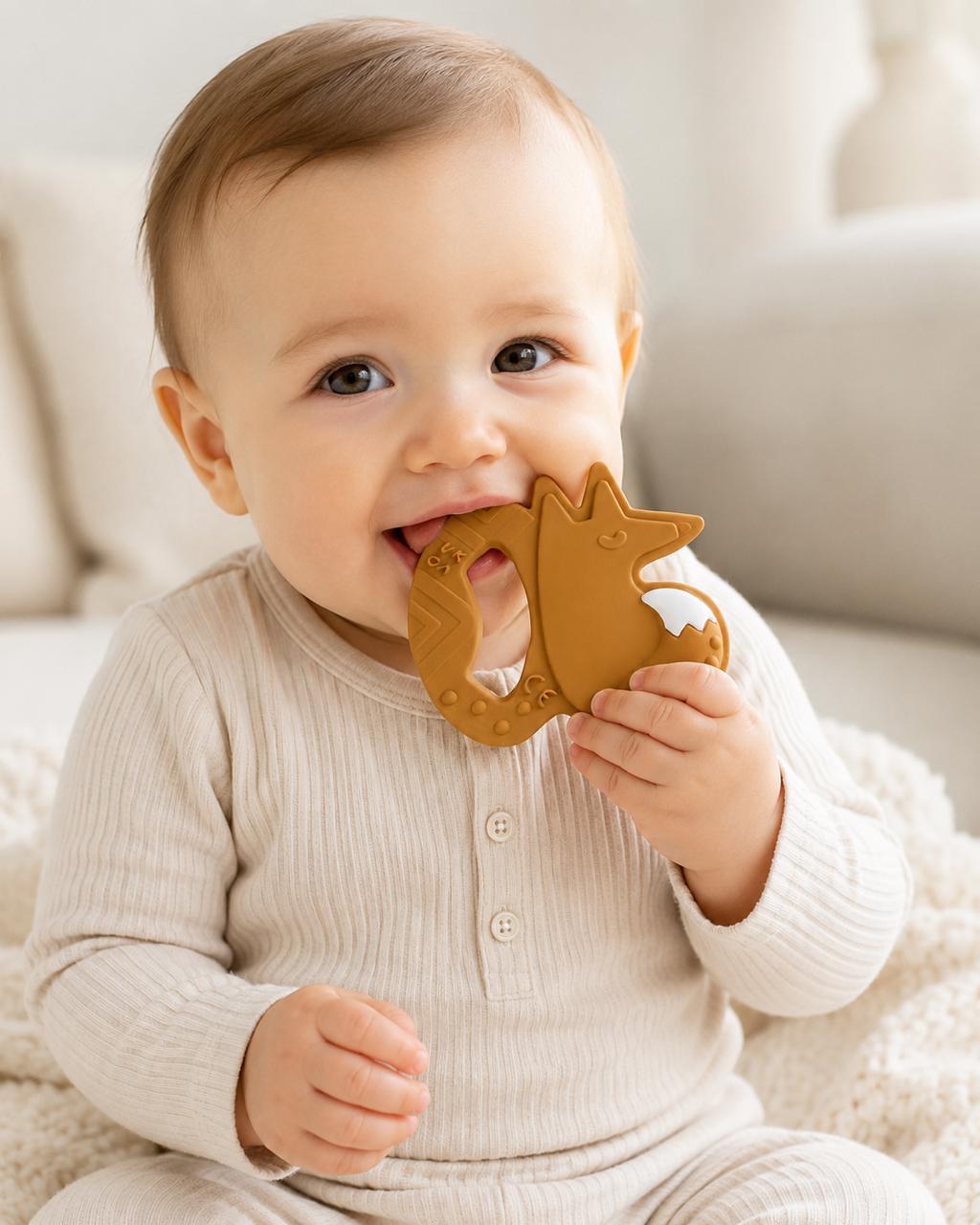
For hard, chewable items such as the Signature Fox Teether, a soft cloth and cool water are usually enough. Avoid soaking teethers in strong cleaners, and rinse off any soap residue before the baby uses them again.
How to Wash Baby Accessories by Material
Different materials need different handling, and the care label on each item is the first thing to read. Look for the wash symbol, the temperature, whether hand washing is specified, and any drying or ironing instruction. If a label says surface wipe only, follow that even if the item looks washable, because coatings, fastenings and safety features can be damaged by full immersion. Where a label is missing or unreadable, treat the item as delicate and start with the gentlest method below.
Organic Cotton Muslins, Blankets and Soft Textiles
Hand wash in lukewarm water with a small amount of fragrance-free, mild detergent. Swish gently rather than scrubbing, then rinse until the water runs clear. Cotton is fairly forgiving, but repeated hot washing and harsh detergents can leave it stiff and rough against skin. If a machine wash is permitted by the label, use a delicate cycle and a low temperature, and keep the item separate from anything with hooks or zips that could snag the weave.
Merino Wool
Wool needs cool water and a gentle hand. Use a mild detergent suitable for wool, press the water through the fibres without wringing or twisting, and rinse in water of a similar temperature to avoid sudden changes that can felt the wool. Roll the item in a clean towel to remove excess water, then lay it flat to dry, reshaping it gently as you go.
Watch out: hanging wet wool stretches it out of shape, and hot water or agitation can shrink and felt it permanently.
Bamboo and Plant-Based Fabrics
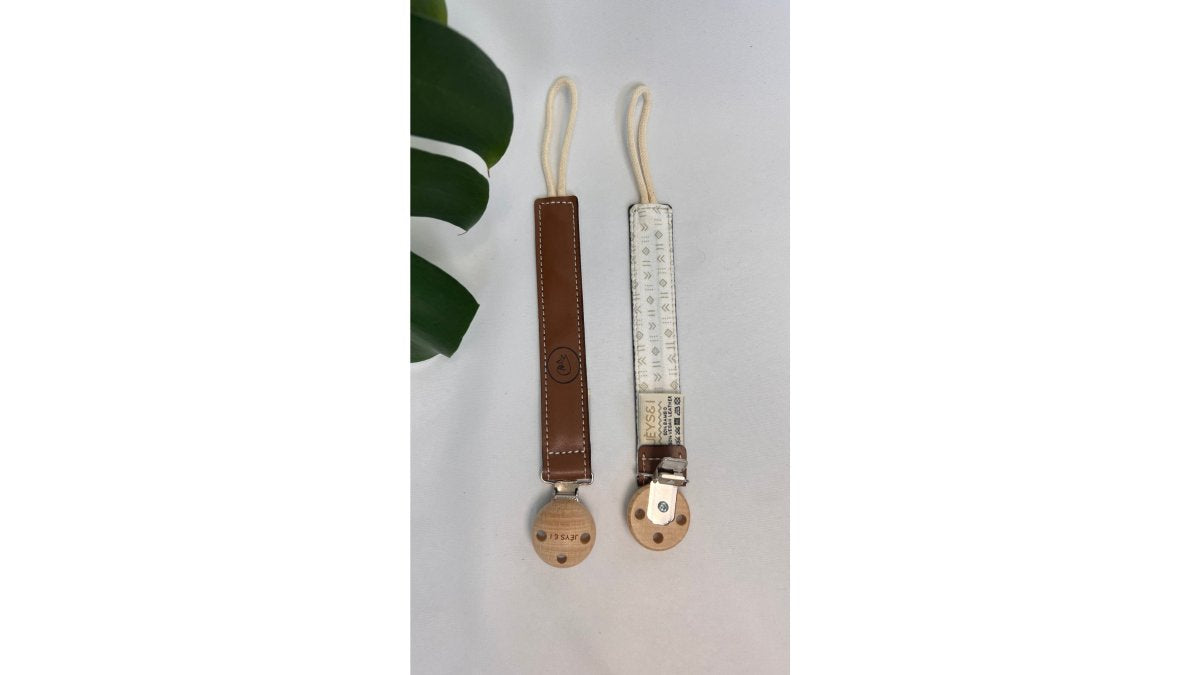
Bamboo and other plant-based fabrics are soft but can lose shape when soaked for long periods. Wipe or hand wash briefly in cool water with a mild detergent, rinse well, and avoid wringing. Check how to care for a plant-based dummy clip before washing one.
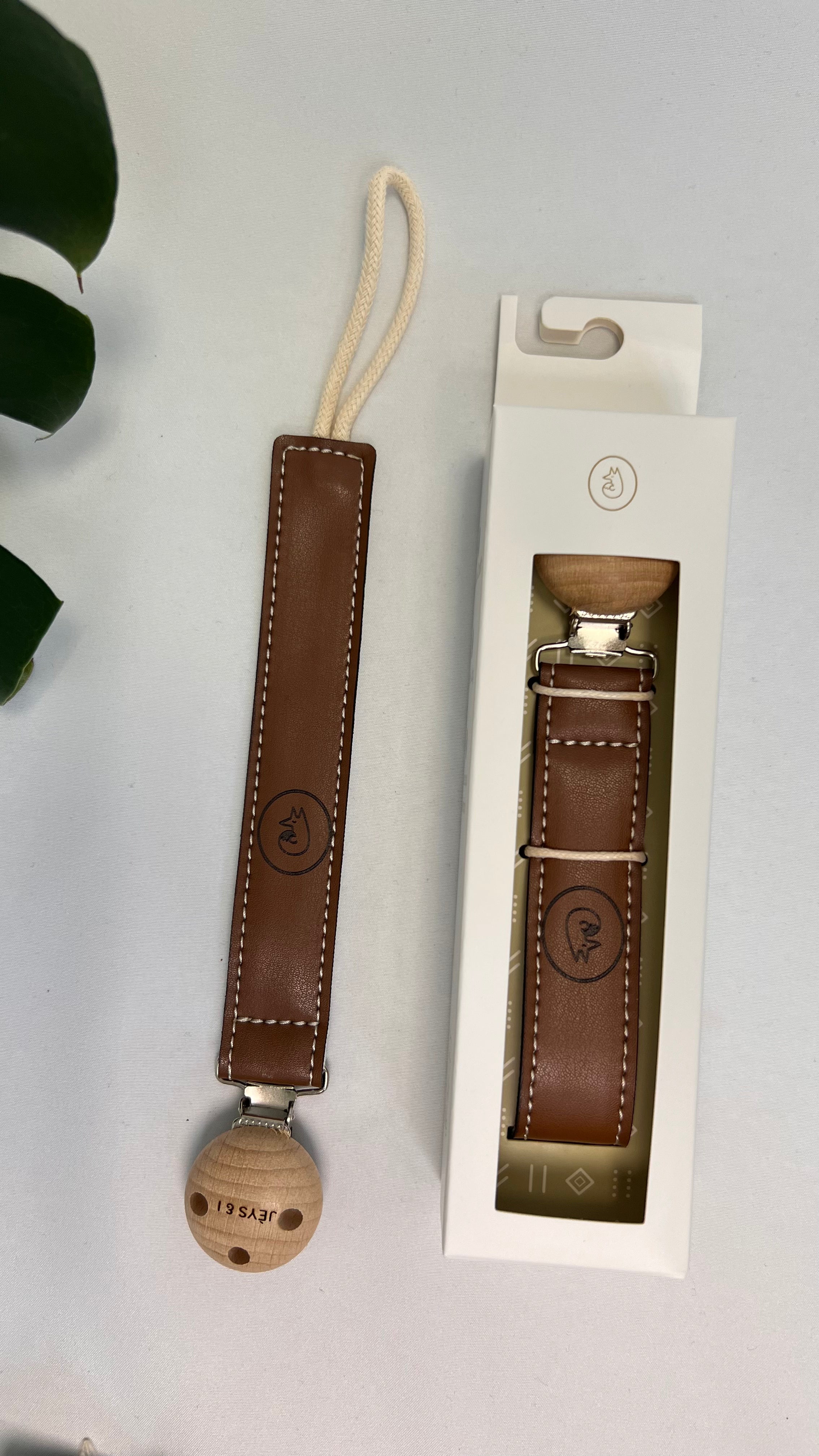
Watch out: leaving metal fastenings wet encourages rust and can stain the surrounding fabric, so dry the clip area promptly.
Silicone
Silicone is durable and can usually be washed in warm, soapy water with a mild detergent, then rinsed thoroughly. Check the label before any heat method, and if boiling or steam is permitted, follow the stated time exactly. Pay attention to any seams, valves or joins where residue can collect, and rinse those areas well.
Wood
Wood should never be soaked. Wipe with a damp cloth and a little mild soap, then dry immediately with a soft cloth. Avoid submerging wooden items, leaving them wet, or putting them in a dishwasher, as moisture can swell the grain and crack the surface. Check the manufacturer's guidance before using any oil or balm on wood.
Watch out: prolonged dampness can warp wood and encourage mould in the grain, so dry thoroughly after every wipe.
Natural Rubber
For the Signature Fox Teether, a soft cloth and cool water are usually enough. Rinse off any soap before the baby uses it again.
Residue Removal and Rinsing
Whatever the material, rinse until the water runs clear and, for items that go in the mouth, rinse once more. Hold the item under running water and flex it gently so water reaches the folds.
The table below summarises how each material should be handled, drawn from the guidance in this section.
| Material | Washing method | Key caution |
|---|---|---|
| Organic cotton | Hand wash in lukewarm water, gentle swish | Repeated hot washing leaves it stiff |
| Merino wool | Cool water, press without wringing | Hot water or agitation can felt it |
| Bamboo and plant-based | Brief cool wash, rinse well | Long soaking can lose shape |
| Silicone | Warm soapy water, rinse thoroughly | Check label before any heat method |
| Wood | Wipe with damp cloth, dry at once | Never soak or put in dishwasher |
| Natural rubber | Soft cloth and cool water | Rinse off soap before use |
How to Remove Stains from Baby Accessories Naturally
Act quickly. Fresh stains lift more easily than dried ones.
- Rinse the stain under cool water as soon as possible.
- Apply a small amount of fragrance-free detergent directly to the mark.
- Gently dab with a soft cloth. Do not rub hard, as this can damage delicate fibres.
- Rinse thoroughly and check the stain before drying.
- Repeat if needed, rather than using stronger products.
Leave the item to air dry and check again before storing it away.
How Often to Wash Baby Accessories
Wash accessories that touch the mouth or skin most often. Muslins used for feeding and burping may need washing after every use. Blankets and soft toys can usually be washed weekly or whenever they look soiled.
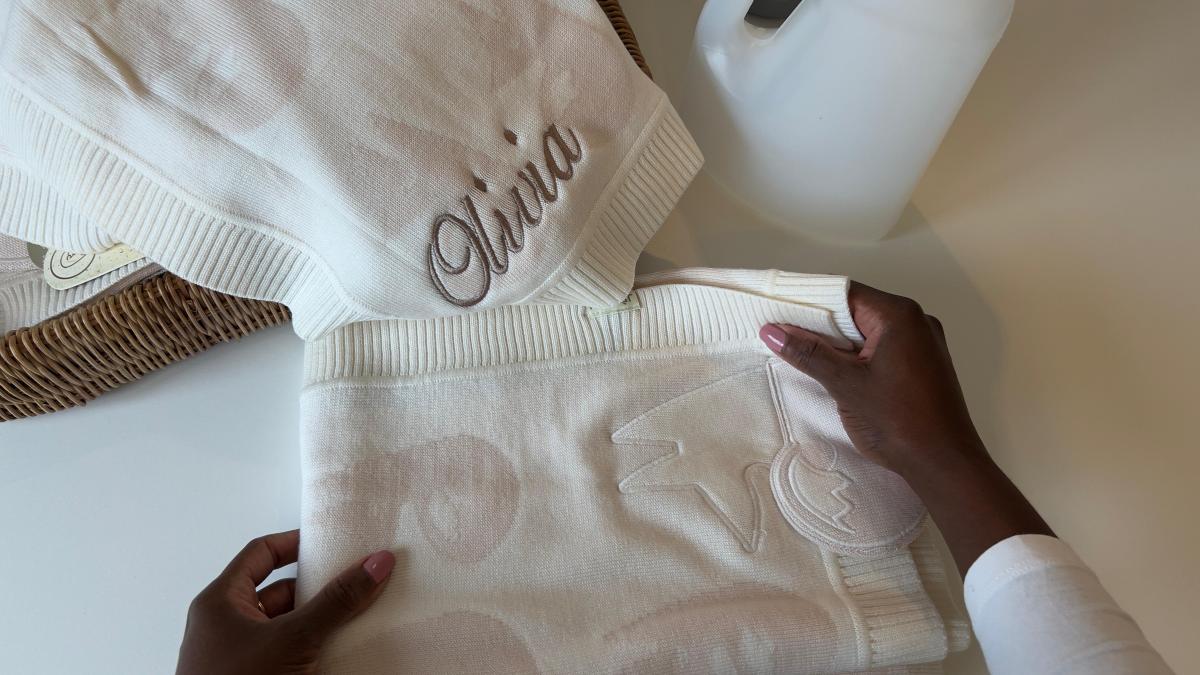
Spot clean between washes where possible. This keeps routine washing gentle and helps the fabric last longer.
Drying, Rinsing and Preventing Mould
Damp fabric left in a warm, closed space is the most common route to musty smells and surface mould, and the problem is easy to miss on thick seams, padded areas and folded edges.
Rinse items until no soap remains, then remove excess water gently. For fabric, squeeze rather than wring, or roll the item in a clean towel and press down. For wool, always press and roll rather than twist. For hard items, shake off droplets and pat dry with a soft cloth.
Dry fabric flat or on a rack in a well-ventilated room, turning it once so both sides dry evenly. Hang or prop hard items so air can reach all surfaces, including the inside of clips, rings and joins. Keep drying away from direct heat and sunlight, which can weaken fibres and change the feel of rubber and silicone over time.
A common pattern is that items seem dry on the surface but still hold moisture in seams, hems and padding. Feel these areas before storing anything, and if in doubt, leave it out for another few hours.
Watch out: storing an item that is even slightly damp in a drawer or basket traps moisture and can lead to mildew within days, so always store only fully dry pieces.
Storage matters as much as drying. Keep accessories in a dry, airy place rather than a sealed box, and avoid packing them tightly against walls or in damp cupboards. In humid weather, air items briefly before use if they have been stored for a while. If you notice a musty smell or visible spots, wash the item again following the material guidance above and dry it thoroughly before returning it to use.
Caring for Your Pieces So They Last Through Every Baby
Good care helps accessories stay soft and useful for longer. Store items in a dry place, and avoid packing them while they are still damp. Keep the care label, as it explains how each material should be treated.
Frequently Asked Questions
How do you clean baby accessories without harsh chemicals?
Use lukewarm water and a small amount of fragrance-free, dye-free detergent made for babies. Check the care label first, wash items gently by hand or on a delicate cycle, and rinse thoroughly so no residue is left on the fabric.
How often should baby accessories be washed?
Wash items that touch your baby's skin or mouth, such as muslins, bibs and blankets, after each use if they have been soiled, and at least once a week otherwise. Items that have not been used or touched much can be aired and washed less often. Frequent washing wears fabric faster, so wash only as needed.
Can you use white vinegar to clean baby accessories?
A very small amount of diluted white vinegar can help lift odour from some washable textiles, but it is not suitable for every material and should never be used neat. Avoid applying vinegar to natural rubber or plant-based vegan leather without checking the manufacturer's guidance first. Always rinse thoroughly afterwards and test on a hidden area before treating a whole item.
How should baby accessories be dried after washing?
Squeeze out excess water gently, never wring, and lay items flat on a clean towel away from direct heat or sunlight. Turn fabric items inside out to dry evenly, and make sure every item is completely dry before storing to prevent mould from forming in damp folds.