Essential Teething Items for Three Month Old Babies
Last Updated: 4 November 2026
Quick Summary
The essential teething items for three month old babies are one textured teether for chewing, one cooling option such as a chilled teether, and one comforter for comfort. Choose lightweight, easy-to-grasp designs in food-grade silicone or natural rubber, free from BPA, phthalates and lead, and always supervise use.
- Most babies cut their first tooth between six and ten months, so three months is usually the very start.
- A temperature of 38C or higher in a baby under three months warrants prompt medical advice.
- Never freeze a water-filled teether solid, as ice can damage delicate gums; chill it in the fridge instead.
- Choose a teether wider than a baby's closed fist with no part small enough to fit inside a toilet-roll tube.
- Wash natural rubber teethers in warm soapy water and air dry; never boil them.
Table of Contents
- When Do Babies Start Teething?
- Signs of Teething at 3 Months
- Choosing Teething Toys for 3-Month-Old Babies
- Essential Teething Items for Three Month Old Babies
- How to Clean Baby Teethers
- Safe Use, Supervision and What to Avoid
- Building a Practical Teething Starter Kit
- Choosing Your Teething Essentials
- Frequently Asked Questions
When Do Babies Start Teething?
Most babies cut their first tooth between six and ten months, so a three-month-old with sore gums is usually at the very start of the process. Teething timing varies widely, and some babies show discomfort weeks before anything appears at the gum line.
That gap between symptoms and visible teeth confuses many parents. A three-month-old who is dribbling, chewing a fist and sleeping badly may be teething, or may simply be developing, both are normal.
This guide from JÈYS & I covers the essential teething items for three month old babies: what helps at this age, what to avoid, and how to keep everything clean and safe.
Signs of Teething at 3 Months
The earliest signs of teething at 3 months tend to be subtle: extra dribbling, flushed cheeks, a baby who wants to chew everything within reach, and disturbed sleep. A slightly raised temperature can accompany it, but a genuine fever is not a teething symptom and warrants a call to a health visitor or GP.
Gum massage helps many babies. A clean finger rubbed gently along the gum line can settle a fretful baby faster than anything else.
Watch out: loose stools, nappy rash and a high temperature are often blamed on teething. If a baby under three months has a temperature of 38C or higher, seek medical advice promptly rather than reaching for a teether (the NHS).
Choosing Teething Toys for 3-Month-Old Babies
The best teething toys for 3-month-old babies are lightweight, easy to grasp, and made from a material that is safe to mouth repeatedly. At this age a baby's grip is still developing, so anything too heavy or too wide simply gets dropped.
Three-month-olds explore mostly through their mouths and hands. A teether with a textured surface and a shape small hands can hold builds grasping and hand-eye coordination while it soothes.
Materials and Safety
Material choice is the single most important decision. Food-grade silicone and natural rubber are the two most common safe options, and both should be free from BPA, phthalates and lead.
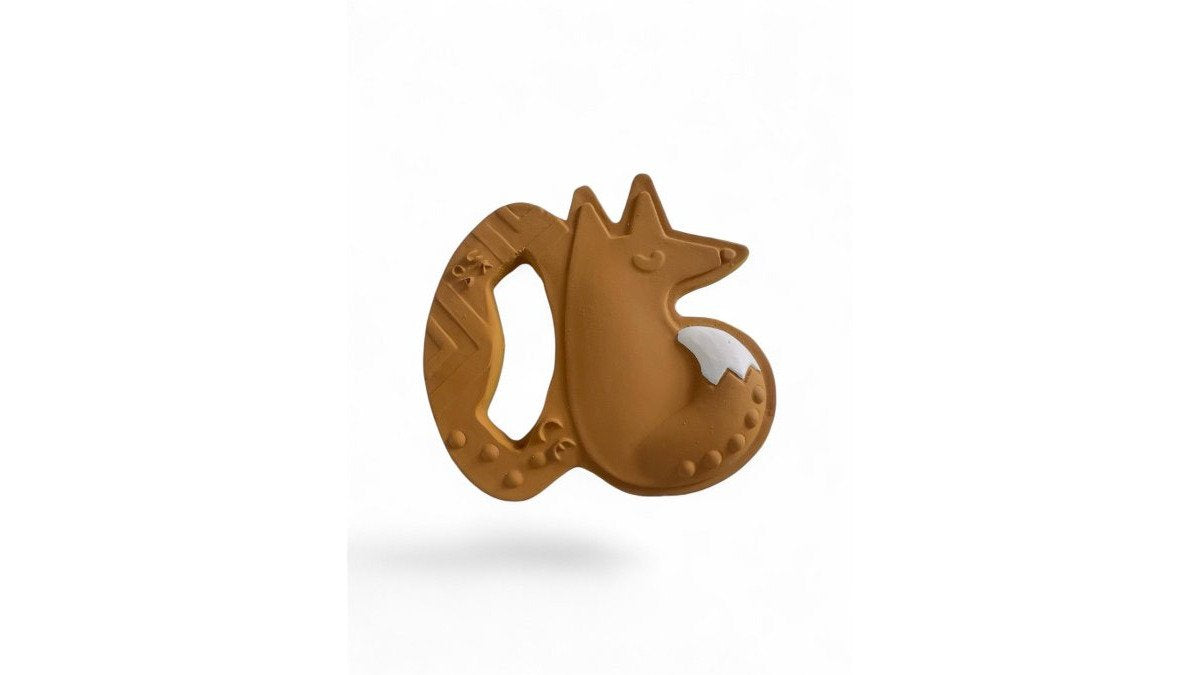
Natural rubber has a soft, flexible give that suits young gums. The natural rubber baby teether in the JÈYS & I range, for example, is made from natural rubber in a one-piece sealed design with no holes for water to enter, which makes everyday cleaning simpler.
Shape, Size and Grasp
A teether for a three-month-old should be small enough to sit comfortably in the hand but large enough that it cannot be swallowed or pushed too far into the mouth.
Textured teething keys, ridged rings and raised details provide different sensations, supporting sensory play and oral motor skills. Variety matters more than any single shape.
Essential Teething Items for Three Month Old Babies
The essential teething items for three month old babies fall into three practical groups: something to chew, something cool, and something to hold for comfort. Most parents need one from each group, not a drawer full.
Teething Rings and Textured Teethers
A teething ring is the workhorse of the collection. Choose one with a textured surface on at least part of the ring, a closed loop that is easy to grip, and a size that suits a small mouth.
Textured teethers add variety: ridges, bumps and raised details let a baby choose the pressure that feels right, and the change in sensation keeps them interested. The Teething Essentials Duo pairs a textured fox teether with a dummy clip, covering chewing and keeping things off the floor in one set.

Cooling Teethers and Water-Filled Options
Cold soothes sore gums, and a chilled teether can be more effective than a room-temperature one. Water-filled teethers are popular for this, but they need checking: inspect regularly for leaks or splits, and never freeze a water-filled teether solid, as ice can damage delicate gums.
A simple alternative is to chill a teether in the fridge for a short while, cold, not frozen.
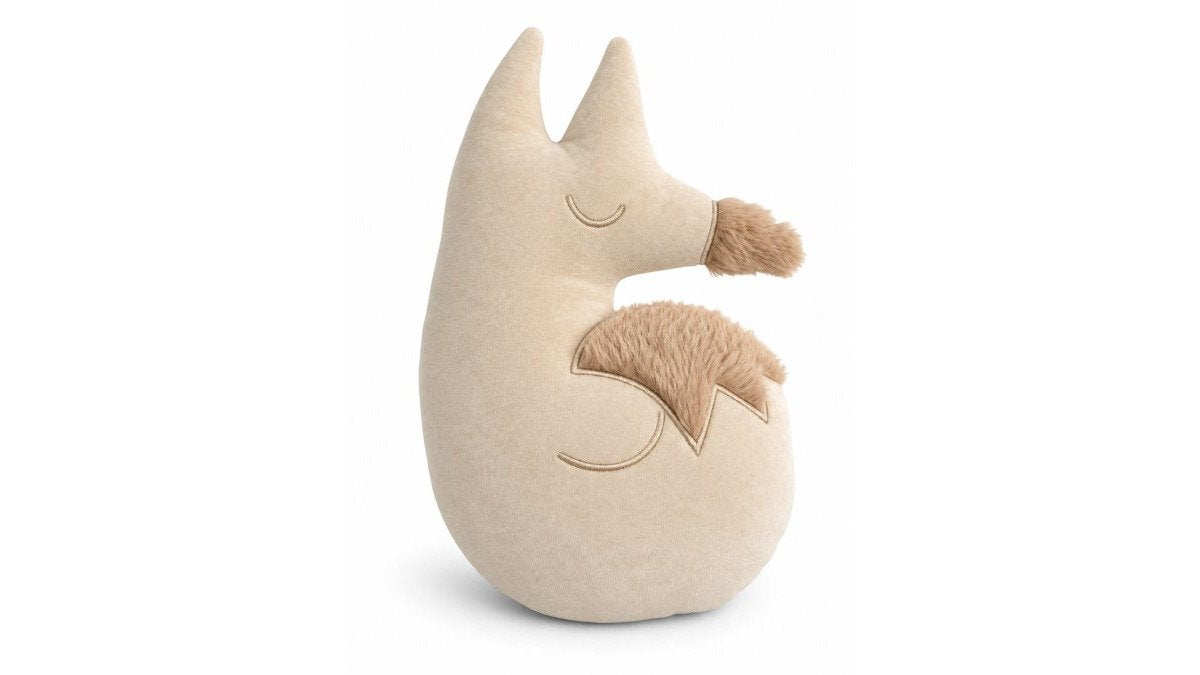
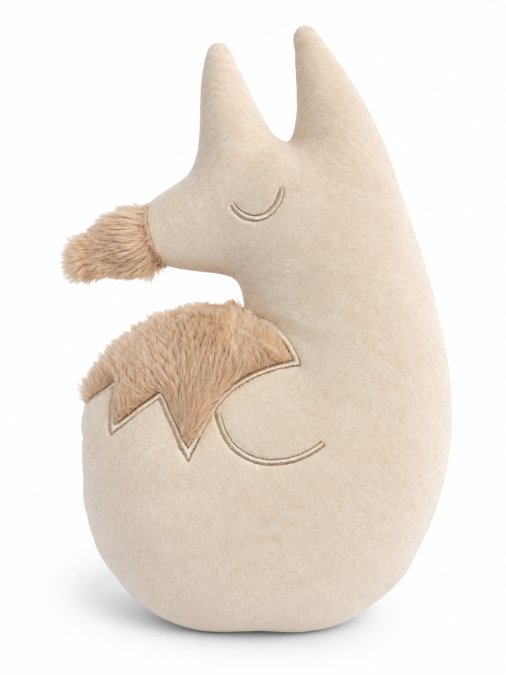
Comforters and Soothing Toys
Not every soothing item goes in the mouth. A comforter or small soft toy gives a baby something familiar to hold during unsettled periods, and the routine around it often matters as much as the object.
The Soothing & Comfort Set brings together three signature essentials, including merino wool and teething items, for comfort and chewing covered together. Keep any soft comforter out of the cot for unsupervised sleep, in line with safer sleep guidance.

How to Clean Baby Teethers
Teethers go straight from the floor into the mouth, often several times an hour, so cleaning needs to be quick enough to actually happen. The method depends on the material, and getting it wrong shortens the life of the item or, with natural rubber, breaks it down faster.
The everyday method
For most food-grade silicone and natural rubber teethers, warm water with a little mild washing-up liquid is enough. Rub the whole surface, including ridges and textured areas where dribble and fluff collect, rinse thoroughly and air dry on a clean rack or tea towel. Do this before first use and after every outing; a quick rinse at home between outings is usually sufficient.
Material by material
- Silicone is the most forgiving.
- Natural rubber needs gentler handling. Warm soapy water and air drying is usually all that is needed for natural rubber, which should be handled gently.
- Water-filled teethers should be wiped clean rather than submerged, because the seal is the weak point. Check the seam before each use and never put a water-filled teether in the dishwasher or freezer.
Drying and storage
Air drying matters as much as washing. Moisture trapped in a textured surface or seam encourages mould, particularly on natural rubber. Shake off excess water, stand the teether upright where air can reach all sides, and store it in a clean, dry pouch rather than loose in a changing bag alongside keys and coins.
When to replace
Inspect teethers regularly and replace any item that shows cracks, splits, a torn surface or loose parts.
Item |
How to Clean |
How Often |
Replace When |
|---|---|---|---|
Natural rubber teether |
Warm soapy water, air dry; no boiling |
After each use |
Cracks, splits or tacky surface |
Silicone teether |
Warm soapy water, or dishwasher if stated |
Daily |
Torn, split or badly discoloured |
Water-filled teether |
Wipe clean, check seals; never freeze |
Before each use |
Any leak, puncture or soft seal |
Dummy clip |
Wipe strap, check metal clip |
Weekly |
Fraying, rust or a loose clip |
Soft comforter |
Follow the care label |
Weekly |
Worn seams or loose trim |
Safe Use, Supervision and What to Avoid
Supervision is the single most important safety measure with any teether. A three-month-old cannot remove an item that becomes lodged, cannot signal distress clearly, and explores by pushing things as far back into the mouth as they will go. Stay within arm's reach the whole time a teether is in use, and take it away once a baby loses interest, becomes drowsy or falls asleep.
Size, shape and choking hazards
A teether should be too large to swallow and too wide to slide past the back of the mouth.
Check the construction before first use and then weekly:
- One-piece designs are safest, because there is no join for a baby to worry apart.
- No holes or open seams on natural rubber or silicone items, as moisture trapped inside can harbour mould.
- No detachable parts, clips, rings, tags or decorative pieces that a baby could pull off.
Watch out: a teether that has been chewed vigorously can develop hairline splits along the surface. Run a fingernail along the edges each week; if it catches, the item has failed and should be replaced rather than repaired.
Materials and wear
Natural rubber is softer on young gums but needs regular inspection. Look for materials free from BPA, phthalates and lead, and check the product's safety markings before purchase.
What to avoid
- Teething gels, check with a pharmacist or health visitor before using any gel on a three-month-old.
- Frozen teethers, ice-hard items can damage delicate gums. Chill in the fridge, never the freezer.
- Teethers marketed for older babies, check the age guidance on the pack; a product designed for a six-month-old with teeth may be too firm or too small for a three-month-old.
A teether dummy clip keeps a dummy or compatible teether within reach and off the floor, provided the item is never left attached during unsupervised sleep.
When to seek advice rather than reach for a teether
Teething can cause dribbling, flushed cheeks, gum rubbing and disturbed sleep. A genuine fever should be checked by a health professional. A temperature of 38C or higher in a baby under three months warrants prompt medical advice, as do loose or frequent stools, vomiting, a rash beyond the dribble chin, refusal of feeds, unusual drowsiness or persistent crying that a teether does not settle.
Building a Practical Teething Starter Kit
A starter kit does not need to be large. Build it by need rather than by product count, and add only what a baby actually reaches for.
- One textured teething ring or animal teether for everyday chewing
- One cooling option, either water-filled or a chillable natural rubber teether
- One comforter or soft soothing toy for unsettled periods
That list covers chewing, cooling, comfort and hygiene. Anything beyond it is a nice extra, not an essential.
Choosing Your Teething Essentials
Start with one good teether, one cooling option and one comforter, then add as a baby's preferences become clear.
Before buying, read guidance on how to spot quality baby products.
JÈYS & I makes thoughtfully designed baby accessories for exactly this stage, including natural rubber teethers, plant-based dummy clips and coordinated comfort sets in neutral tones, each presented ready to gift.
Frequently Asked Questions
Can a three-month-old baby start teething?
Yes, some babies show early teething signs at three months, though first teeth usually appear around six months. At this age, increased dribbling, gumming and fussiness are common as gums prepare for teeth. Offer safe teething items such as a soft natural rubber teether or a chilled (not frozen) cooling teether, and always supervise. If your baby has a fever above 38C, diarrhoea or unusual distress, speak to your health visitor or GP rather than assuming it is teething.
Which teething toys are suitable for a three-month-old?
Look for lightweight teething items that are easy for small hands to grasp, made from clearly stated materials, and free from small parts that could detach. A one-piece sealed design, like the Signature Fox Teether, avoids holes where water can collect. Avoid long straps, beaded designs and anything that could reach the back of the mouth. Always check the item before use and supervise your baby throughout.
How should I clean a baby teether?
Wash teethers in warm soapy water after each use, rinse thoroughly and allow to air dry. Check the manufacturer's instructions first, as natural rubber and silicone have different care needs. Avoid harsh chemicals and never boil a teether unless the listing says it is suitable. Inspect regularly for cracks, tears or loose parts and replace the item if damaged. A dummy clip can help keep a compatible teether off the floor, but should never be used around the neck or during sleep.
Can teething toys help soothe sore gums?
Teething items give babies a safe surface to chew and mouth, which many parents find helps comfort sore gums. Textured surfaces offer different sensations, while a chilled (not frozen) teether can feel soothing on tender gums. Always supervise use and never tie a teether around the neck. If your baby seems in significant pain or you are unsure about symptoms, speak to your health visitor or pharmacist before using any teething gel or remedy.