Best Organic Fabrics for Newborn Blankets
Table of Contents
- Why Organic Fabrics Matter for Newborn Blankets
- Merino Wool: Natural Warmth and Breathability
- Bamboo Fabric: Softness and Temperature Regulation
- Organic Cotton Blends for Everyday Use
- GOTS Certified Baby Textiles: What the Standard Means
- Breathable Fabrics for Newborn Swaddles
- How to Care for Organic Baby Blankets
- Choosing the Right Blanket for Your Baby
- Frequently Asked Questions
Last Updated: 20 September 2026
Why Organic Fabrics Matter for Newborn Blankets
A newborn's skin is remarkably delicate, requiring materials that breathe well and feel gentle against sensitive areas. When selecting the best organic fabrics for newborn blankets, the choice goes beyond aesthetics, it directly affects your baby's comfort and wellbeing. Organic fabrics eliminate synthetic pesticides and harsh chemicals used in conventional textile production, reducing the risk of skin irritation during those crucial early months.
The difference between organic and conventional fabrics lies in how they're grown and processed. Organic materials are cultivated without synthetic fertilisers or pesticides, then manufactured using gentler finishing processes. This matters because newborns spend significant time wrapped in blankets, and their skin absorbs whatever touches it. Parents and grandparents choosing organic fabrics are investing in materials that prioritise comfort without compromise.
At JÈYS & I, the approach to selecting best organic fabrics for newborn blankets centres on understanding which materials offer both softness and functionality. A quality organic blanket serves multiple purposes, feeding support, pram warmth, cuddle comfort, so the fabric choice directly influences its usefulness throughout the day.

Merino Wool: Natural Warmth and Breathability
Merino wool stands out as one of the finest natural fibres available for newborn blankets. Unlike standard wool, merino wool is exceptionally soft and fine, making it gentle enough for delicate newborn skin. The fibre naturally regulates temperature, keeping babies warm without overheating, a critical safety consideration for infants.
Merino wool blankets work particularly well for parents who want reliable warmth across seasons. The fibres trap air, creating insulation, yet they also allow moisture to escape, preventing the clammy feeling associated with synthetic materials. This breathability makes merino wool suitable for both summer cuddles and winter warmth.
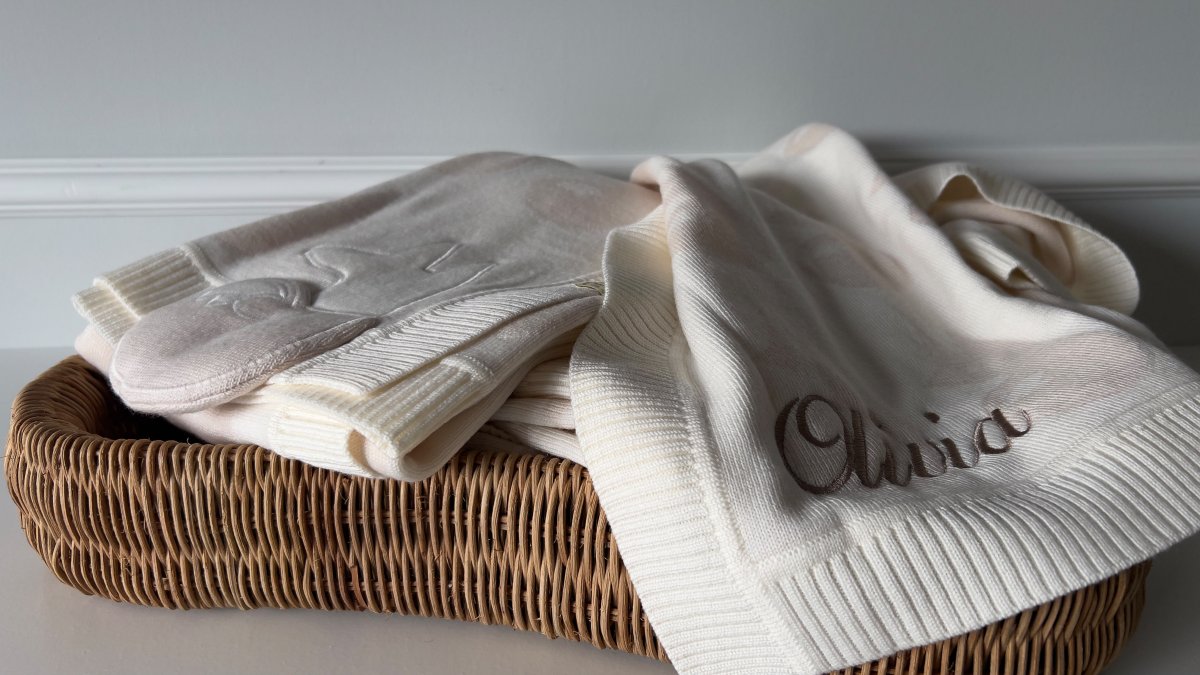
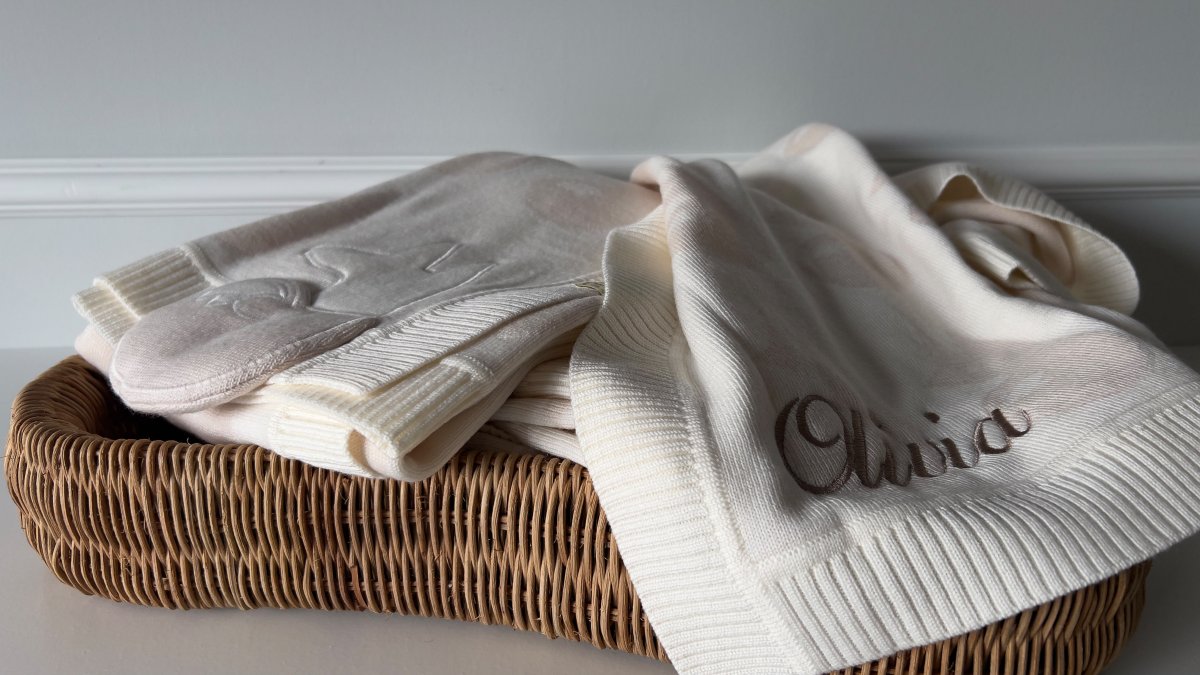
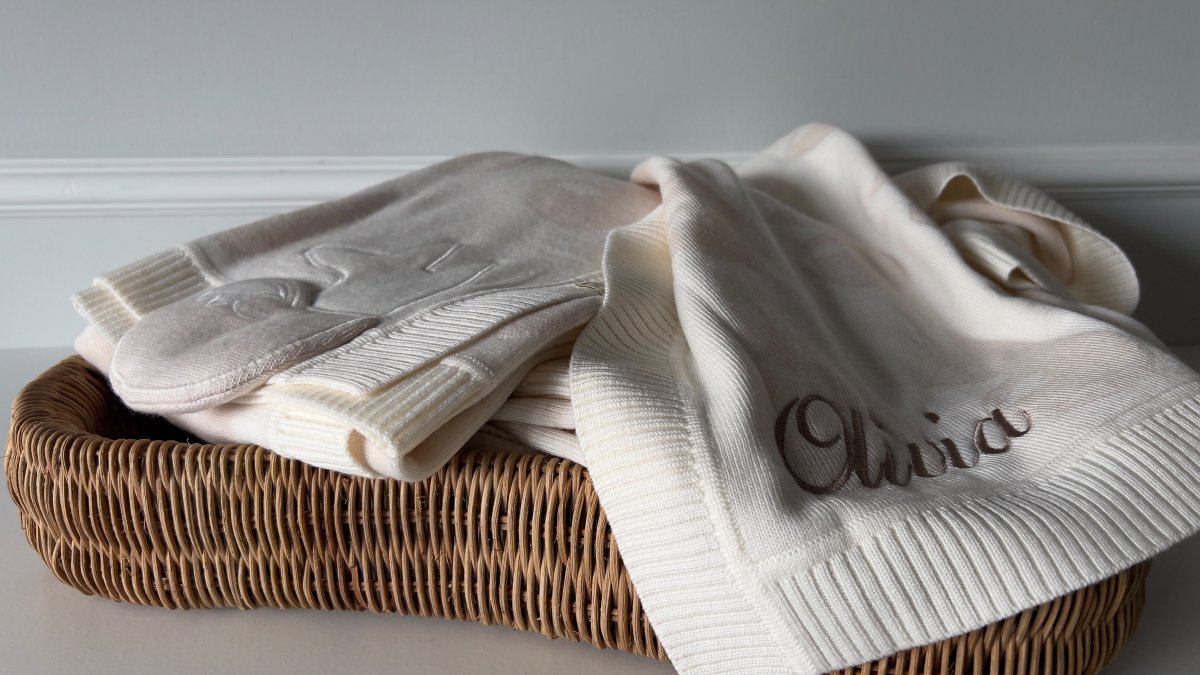
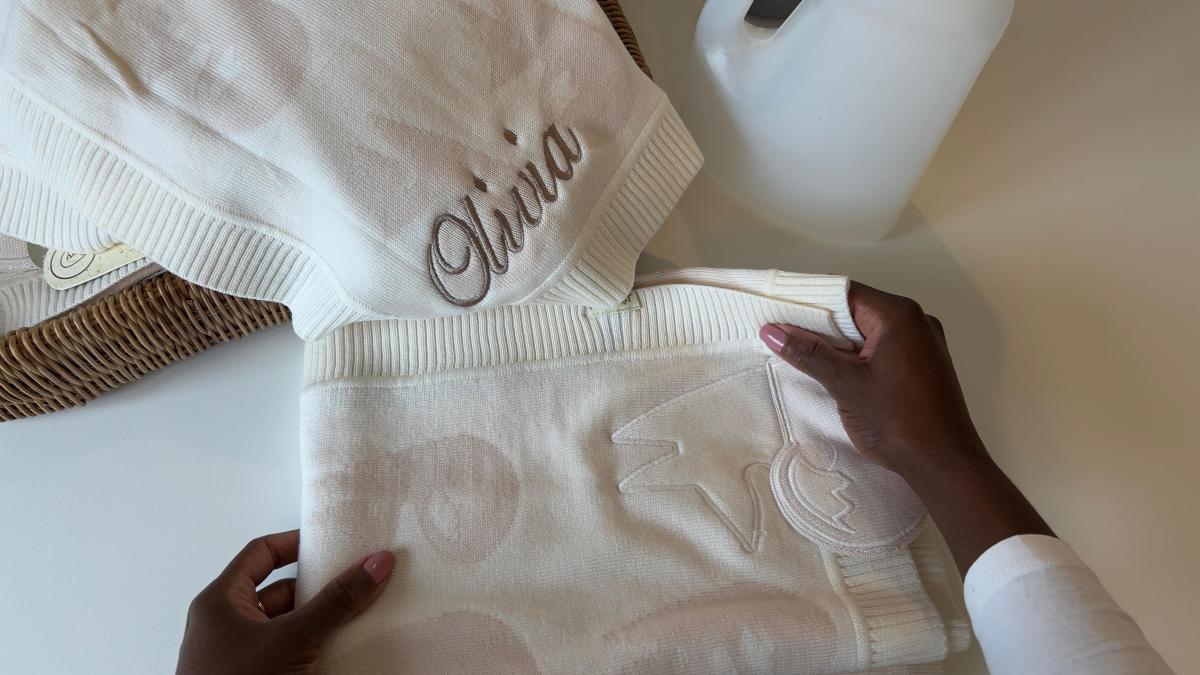
The JÈYS & I Signature Jacquard Merino Wool Blanket demonstrates how thoughtful design enhances the natural benefits of merino. Crafted from 100% extrafine merino wool with a carefully designed jacquard pattern, this blanket combines natural temperature regulation with distinctive sensory details. The soft padded appliqué and gentle crinkle insert encourage early tactile exploration, supporting your baby's sensory development whilst maintaining the breathable qualities that make merino wool ideal for newborns.

Merino wool does require gentle care, hand washing in cool water and laying flat to dry preserves the fibre's integrity. However, the longevity of a quality merino blanket means it often lasts through multiple children, making it a worthwhile investment for families planning to grow.
Bamboo Fabric: Softness and Temperature Regulation
Bamboo fabric offers a different appeal for parents seeking the best organic fabrics for newborn blankets. Created from bamboo pulp processed into viscose, bamboo fabric is remarkably soft, often compared to silk or cashmere, yet remains durable enough for daily use. The fabric naturally wicks moisture away from skin, making it excellent for babies who tend to sleep warm.
Bamboo grows rapidly without requiring pesticides or fertilisers, making it an environmentally conscious choice. The fabric drapes beautifully, falls softly against skin, and maintains its softness through many washes. For newborns with sensitive skin or those prone to heat rash, bamboo's moisture-wicking properties provide genuine comfort.
The versatility of bamboo blends makes this fabric particularly practical. A 70% bamboo and 30% organic cotton blend, like that used in the JÈYS & I Signature Etelvina Muslin Square, balances the silky softness of bamboo with the durability of organic cotton. This combination creates a lightweight, breathable square ideal for feeding, burping, cuddles and everyday care. The generous size accommodates various uses without requiring multiple blankets, and the blend's durability means it withstands frequent washing without losing softness.
Bamboo fabric typically machine washes well at moderate temperatures, making it more practical than merino wool for parents managing constant laundry. The fabric resists pilling and maintains its appearance through years of use, which matters when a single blanket serves multiple purposes throughout the day.
Organic Cotton Blends for Everyday Use
Organic cotton remains a trusted choice for newborn blankets, particularly when blended with other natural fibres. Pure organic cotton offers breathability and familiarity, many parents grew up with cotton blankets, but blends often provide superior performance. Combining organic cotton with bamboo or other natural fibres creates fabrics that balance the reliability of cotton with enhanced softness or moisture management.
The certification process for organic cotton ensures the fabric meets rigorous environmental and safety standards. Organic cotton is grown without synthetic pesticides, and the finished fabric undergoes testing to confirm it's free from harmful chemicals. This transparency matters to parents who want to know exactly what touches their newborn's skin.
Organic cotton blends work well for parents who prefer versatility. A blend might offer better temperature regulation than pure cotton, or enhanced softness without the care requirements of wool. These blankets typically machine wash easily and dry quickly, fitting into busy family routines without fuss.
GOTS Certified Baby Textiles: What the Standard Means
GOTS, the Global Organic Textile Standard, represents one of the most rigorous certifications for organic fabrics. Understanding what GOTS certification means helps parents distinguish genuinely organic products from those using misleading marketing language. GOTS certification confirms that a textile is made from organic fibres and processed using environmentally responsible and socially accountable methods throughout the entire supply chain.
The GOTS standard requires independent third-party verification at every stage: fibre production, spinning, weaving, dyeing, finishing and manufacturing. This means a GOTS-certified blanket has been inspected by external auditors, not merely claimed to be organic by the manufacturer. The certification also limits which chemicals can be used in processing, ensuring the finished product is safe for sensitive skin.
When selecting the best organic fabrics for newborn blankets, GOTS certification provides reassurance. However, not all high-quality organic blankets carry GOTS certification, some manufacturers use alternative certifications or maintain their own rigorous standards. The JÈYS & I Signature Jacquard Merino Wool Blanket, for example, features OEKO-TEX® Standard 100 certification, which independently verifies that the finished blanket is free from harmful substances. This certification confirms the blanket has been tested for over 300 harmful substances and meets strict safety standards for baby products.
Checking for recognised certifications, whether GOTS, OEKO-TEX®, or equivalent standards, provides concrete assurance that the blanket meets defined safety and environmental criteria, rather than relying solely on marketing claims.
Breathable Fabrics for Newborn Swaddles
Breathability is non-negotiable for swaddling blankets, as restricted airflow poses genuine risks. The best organic fabrics for newborn blankets used in swaddling must allow air to circulate freely whilst providing warmth and security. Merino wool and bamboo blends both excel at this balance, they're warm without trapping heat, and they allow moisture to escape rather than creating damp conditions against skin.
Muslin squares represent a practical choice for swaddling because their open weave naturally promotes airflow. A muslin made from organic fibres offers the breathability parents need with the added benefit of chemical-free processing. The lightweight nature of muslin means it can be layered for warmth without creating an overheated microclimate around your baby.
When selecting a swaddle blanket, weight and weave matter as much as fibre content. A tightly woven blanket, even if made from breathable fibres, restricts airflow more than an open-weave fabric. The JÈYS & I Signature Etelvina Muslin Square's lightweight construction and open weave ensure air circulates freely whilst the bamboo-cotton blend provides softness and gentle temperature regulation. This combination makes it suitable for swaddling whilst maintaining the breathability that keeps newborns safe and comfortable.
Testing a blanket's breathability is straightforward: hold it up to light and look for visible gaps in the weave. Fabrics that allow light through generally allow adequate air circulation, whereas tightly woven blankets may restrict airflow unnecessarily.
How to Care for Organic Baby Blankets
Proper care extends the life of organic blankets and maintains their safety for sensitive skin. Most organic fabrics benefit from gentle handling: washing in cool water, using mild detergents free from harsh chemicals, and avoiding high heat drying. The specific care approach depends on the fibre content, as merino wool requires different handling than bamboo or cotton.
For merino wool blankets, hand washing or a delicate machine cycle in cool water preserves the fibre's integrity. Lay the blanket flat to dry rather than hanging it, which can stretch the fabric. Avoid fabric softeners, which coat the fibres and reduce their natural breathability.
Bamboo and organic cotton blends typically tolerate machine washing at moderate temperatures. Wash separately from other fabrics initially, as some dyes may bleed slightly. Use a gentle detergent and avoid bleach or optical brighteners, which can damage the fibres and leave chemical residues. Air drying is gentler than machine drying, though these fabrics generally withstand standard tumble drying on low heat.
All organic blankets benefit from avoiding fabric softeners and dryer sheets, which leave synthetic coatings that reduce breathability and can irritate sensitive skin.
Choosing the Right Blanket for Your Baby
The best organic fabrics for newborn blankets depend on your family's lifestyle, climate and preferences. Consider how you'll use the blanket: will it be a dedicated swaddle, a pram blanket, a feeding support, or a multi-purpose essential? This determines which fabric properties matter most.
Frequently Asked Questions
Why is organic fabric recommended for newborn blankets?
Organic fabrics are grown without synthetic pesticides or chemical fertilisers, which reduces the risk of irritation to a newborn's delicate skin. They're also processed with fewer harsh chemicals than conventional fabrics, making them gentler and safer for babies who spend hours wrapped in blankets. Many parents find organic options help reduce sensitivity and keep their baby comfortable during sleep and cuddle time.
What certifications should I look for when buying GOTS certified baby textiles?
GOTS (Global Organic Textile Standard) is the most recognised certification for organic baby blankets and textiles. It verifies that fabrics are made from organic fibres and produced without harmful chemicals throughout the entire supply chain. Look for the GOTS label on product listings or descriptions, it's a reliable indicator that the blanket meets strict environmental and safety standards.
How do I wash organic baby blankets to keep them soft?
Use a gentle, fragrance-free detergent and wash in cool water on a delicate cycle. Avoid fabric softeners and bleach, as these can damage organic fibres and leave residue on your baby's blanket. Air-dry when possible, or tumble-dry on low heat. Washing in cool water and skipping harsh chemicals helps preserve the blanket's softness and integrity through multiple washes.
Is bamboo fabric considered organic for baby blankets?
Bamboo fabric can be organic, but it depends on how it's grown and processed. Organic bamboo is cultivated without synthetic pesticides, making it a good choice for sensitive skin. However, the manufacturing process matters too, look for bamboo fabrics that are certified organic and processed responsibly. Blends of organic bamboo and organic cotton combine the softness of bamboo with the durability and breathability of cotton.