10 Benefits of GOTS Certified Baby Clothes
Last Updated: 28 October 2026
Quick Summary
GOTS certified means a textile has met the Global Organic Textile Standard, an audited chain of custody covering fibre origin, processing, chemical limits and labelling. For parents, the benefits sit in three areas: certified organic fibre sourcing, restricted chemical inputs during processing, and traceability from field to finished piece.
- The organic grade requires at least 95% certified organic fibres; made with organic allows a lower threshold.
- GOTS restricts certain chemical substances outright rather than merely capping them.
- OEKO-TEX Standard 100 tests the finished article but is not an organic certification.
- Check the licence number and certification body name, then verify it with the named certifier.
- Wash before first wear and air-dry where possible to keep fibres in good condition.
Table of Contents
- What GOTS Certification Actually Covers
- Benefit 1: Fewer Chemical Residues Next to Your Baby's Skin
- Benefit 2: Softer Fibres That Stand Up to Repeated Washing
- Benefit 3: Traceable Processing From Field to Finished Piece
- GOTS vs OEKO-TEX: What Each Standard Tests
- How to Check GOTS Certification Before You Buy
- How to Care for GOTS-Certified Baby Clothes
- Choosing Pieces That Earn Their Place in the Nursery
- Frequently Asked Questions
What GOTS Certification Actually Covers
GOTS certified means a textile has met the Global Organic Textile Standard, a voluntary worldwide standard for organic fibres that covers processing, manufacturing, packaging, labelling, and trading. It is not a marketing badge. It is an audited chain of custody, checked by independent certification bodies against criteria set by the standard's founding organisations.
The standard has two label grades. "Organic" requires at least 95% certified organic fibres. "Made with organic" allows a lower threshold, so the grade matters when you read a label.
For parents, the value sits in three areas: fibre sourcing, chemical limits during processing, and traceability from field to finished piece. JÈYS & I works with thoughtfully selected materials including organic cotton, and understanding what the standard actually tests helps you judge any label you meet. If you are still weighing whether organic baby essentials are worth it, that article makes the broader value case.
Benefit 1: Fewer Chemical Residues Next to Your Baby's Skin
A baby's skin is thin and absorbs more readily than adult skin, so what sits against it for hours matters. If you want to understand why organic cotton matters for a baby's skin before accepting the GOTS claims, that article sets out the case. GOTS sets limits on chemical inputs across the whole processing chain, including dyes, auxiliaries, and finishing treatments. It also restricts certain substances outright rather than merely capping them.
Benefit 2: Softer Fibres That Stand Up to Repeated Washing
In practice, that means a piece that starts soft and stays soft, rather than one that feels lovely on day one and stiff by week six.
Why the Fibre Itself Matters
Organic cotton is grown without synthetic pesticides under the standard's fibre rules, and the processing stage keeps more of the fibre's natural structure intact. That structure is what gives a fabric its hand-feel and its ability to recover after washing. A common mistake is judging softness only in the shop. Squeeze the fabric, then check the care label: a piece that needs delicate handling to survive will not last a busy household.
Benefit 3: Traceable Processing From Field to Finished Piece
When a gift is being chosen for someone else's baby, that traceability is often the deciding factor. It gives the recipient something concrete to check rather than a promise to trust.
GOTS vs OEKO-TEX: What Each Standard Tests
GOTS and OEKO-TEX answer different questions. GOTS is an organic fibre standard that covers the full processing chain, including fibre origin and chemical inputs. OEKO-TEX Standard 100 tests the finished article for harmful substances and is not an organic certification.
So a piece can be OEKO-TEX tested without containing any organic fibre, and a GOTS certified piece has already been checked for chemical limits during processing. The two are not rivals. They measure different things.
| Standard | What it covers | Organic fibre required | Chain of custody audited |
|---|---|---|---|
| GOTS | Fibre origin, processing, chemicals, labelling | Yes, by grade | Yes |
| OEKO-TEX Standard 100 | Harmful substances in the finished article | No | Not applicable |
Ask which one a label is claiming, and for what. A brand that says "tested" without naming the standard is telling you very little.
How to Check GOTS Certification Before You Buy
Work through this before you commit:
- Find the GOTS logo or the words "Global Organic Textile Standard" on the label or product page
- Note the licence number and the name of the certification body
- Confirm the label grade: "organic" or "made with organic"
- Check the fibre percentage stated on the composition label
- Verify the licence number with the named certifier
- Look for the same number across the range, not just one hero product
For a wider set of checks that apply to any premium baby purchase, how to spot quality baby products sets out what to look for in stitching, labels, and finish.
How to Care for GOTS-Certified Baby Clothes
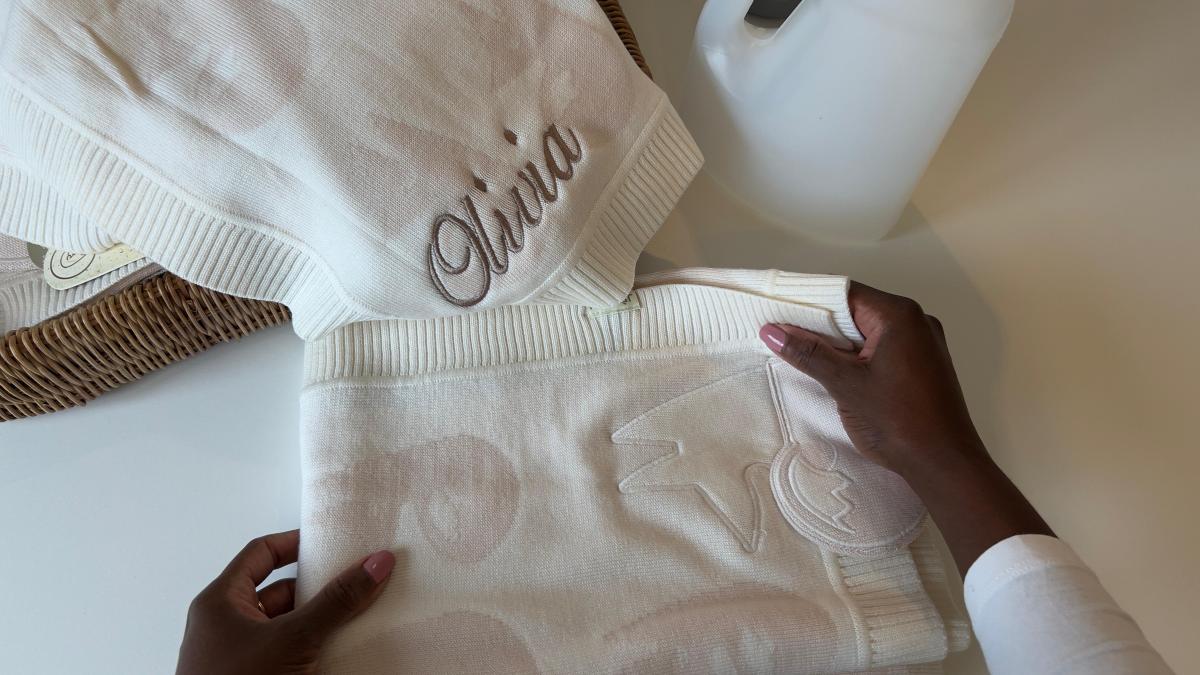
- Wash before first wear to remove any handling residue
- Use the shortest cycle that gets the item clean
- Air-dry where possible; tumble drying on low only when needed
- Treat stains promptly with cold water rather than hot
- Store folded and dry, away from damp
Choosing Pieces That Earn Their Place in the Nursery
JÈYS & I designs premium baby accessories with thoughtfully selected materials and distinctive sensory details. You can also browse our gift sets and bundles to see curated pieces put together for you. For help choosing well, our premium organic baby essentials buying guide walks through building a considered set.
Frequently Asked Questions
What does GOTS certification mean for baby clothes?
GOTS stands for the Global Organic Textile Standard. It is a voluntary, third-party certification that covers the whole supply chain, from the organic status of the fibre through to processing, manufacturing, packaging and labelling. For a garment to carry the GOTS label, every stage must be certified by an approved body and inspected regularly. It means the piece has met a published set of environmental and social criteria rather than a brand's own definition of 'organic'.
How is GOTS different from OEKO-TEX?
GOTS vs OEKO-TEX comes down to scope. OEKO-TEX standards focus on testing the finished article for harmful substances, so a product can be OEKO-TEX certified without containing any organic fibre at all. GOTS covers organic fibre content, chemical inputs during processing, wastewater treatment and social criteria across the supply chain. The two are not rivals: a garment can hold both, and OEKO-TEX testing is one of the ways GOTS checks chemical safety.
How can I tell whether a baby garment is GOTS-certified?
Look for the GOTS logo on the care label or swing tag, then check the licence number printed alongside it. Every certified product carries a unique number that you can verify through the GOTS public database. Be cautious of wording like 'made with organic cotton' without a logo or number, because that phrasing is not the same as certification. If the label only says 'organic' and nothing else, ask the brand for their certificate.
How should I wash and care for GOTS-certified baby clothes?
Wash at 30°C or lower on a gentle cycle with a mild, fragrance-free detergent, and skip fabric softener, which coats fibres and reduces absorbency. Turn pieces inside out, wash with similar colours, and avoid chlorine bleach. Line drying in shade protects both the fabric and any dyed colour. Because GOTS restricts chlorine bleaching and many harsh finishes, the fibres tend to stay soft through repeated washing, so a lower temperature and gentler detergent will keep them that way for longer.
The gap between a label that says organic and a product you can actually verify comes down to one number and two minutes of checking. JÈYS & I builds its collection around thoughtfully selected materials, sensory-led design, and pieces made to be kept and passed on. Explore the range and choose essentials that earn their place in the nursery from the start.